2026
Taking a brand from early-stage to revenue-driving through two strategic pivots, built on strong creative foundations and a scalable system

Tigerhall is a platform that helps enterprises activate change at scale. But it didn't start that way.
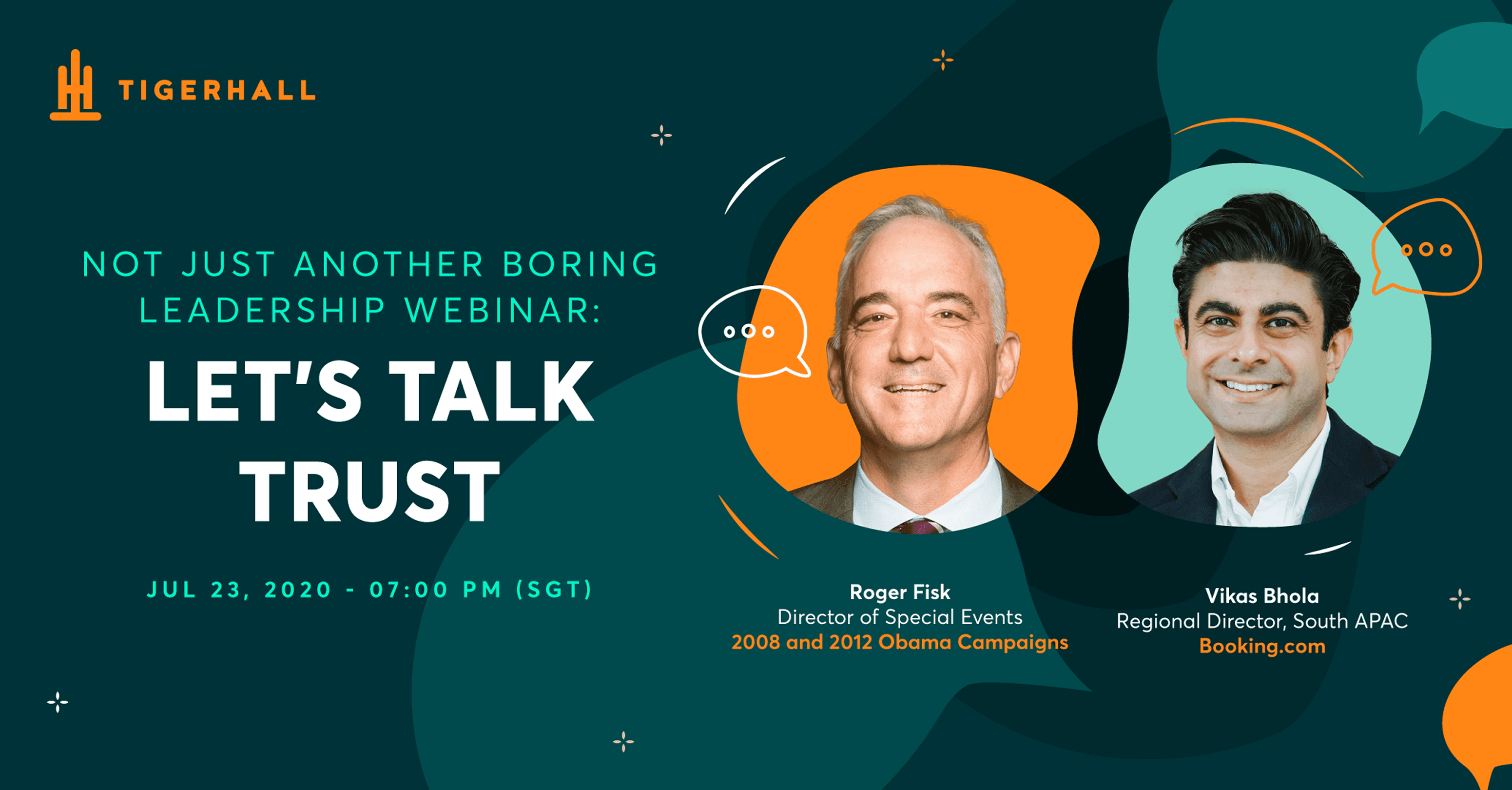
Tigerhall started off as a social learning platform, like a cross between social media and Masterclass, where professionals could share knowledge and companies could give their people access to it. The audience was broad, the tone was casual, and the brand reflected that.
What followed was two and a half years of brand evolution, business pivots, and building a creative team that could keep up with all of it.






.
The original social learning brand had a lot of energy, bright colours, playful, and intentionally fun. It made sense as the goal was to make industry knowledge feel accessible, and to turn learning into something exciting.
But the business was shifting.
What started as a B2C product was moving towards a very different space to ensure that the business was sustainable long term. Tigerhall wanted to pivot their product to become a platform for change and transformation within organizations. The audience was no longer individuals, but large enterprise teams.
To win in enterprise, we couldn’t look like a consumer app. A complete rebrand had to happen to look like we understood how large teams function.
.
So when I joined, the main goal of my role was to take the brand from a social platform to one that could close million-dollar enterprise deals.
There wasn’t much to start with beyond a logo and a set of primary colours. Building from that was a long journey, but also a rewarding one.




Keeping what made the brand
recognisable, while starting to move it forward.
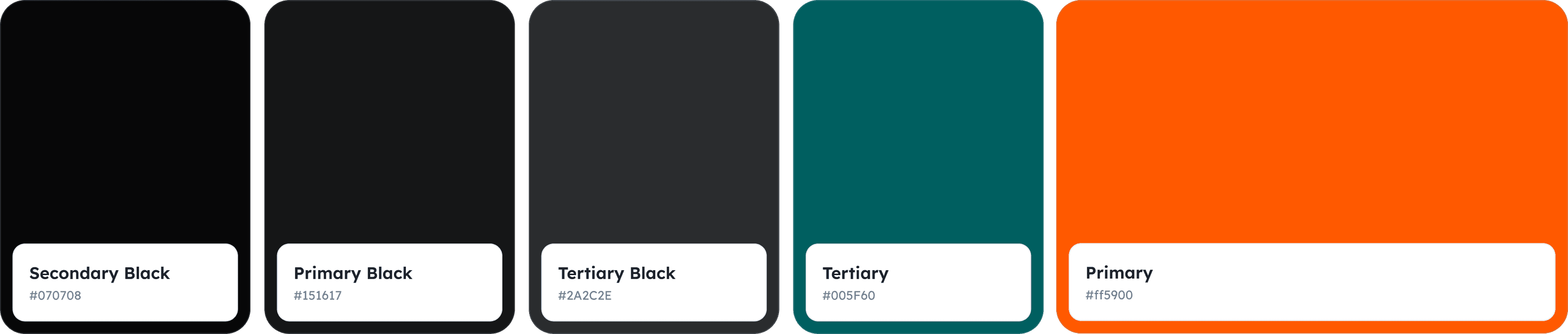
The brand we inherited was light. We had a logo and a primary colour palette to work with.
The colours were already recognisable, so we kept them. It was important that the brand still felt familiar, even as the business evolved. The shift into enterprise wasn’t overnight, and the identity needed to move with it, not break it.
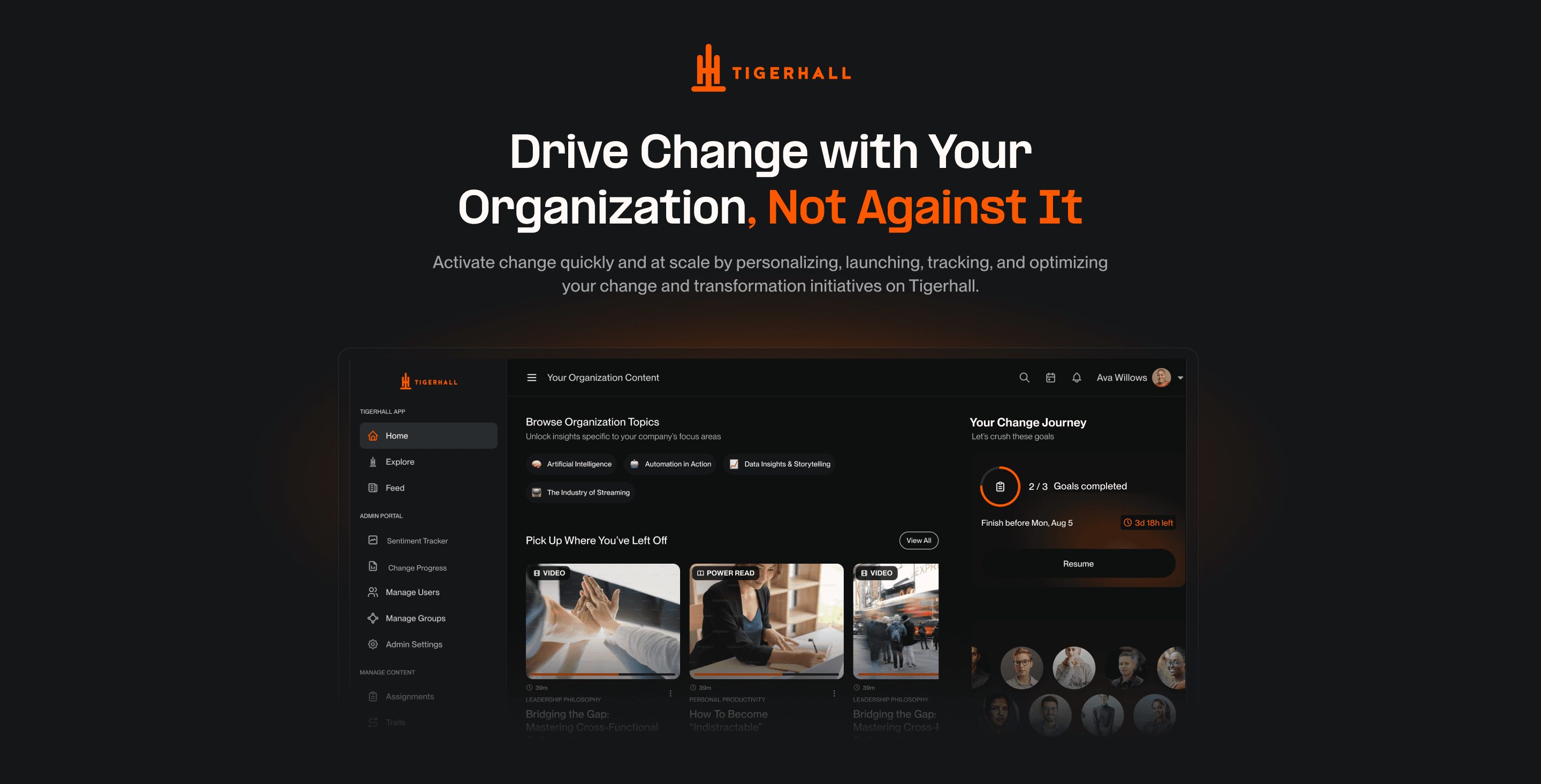
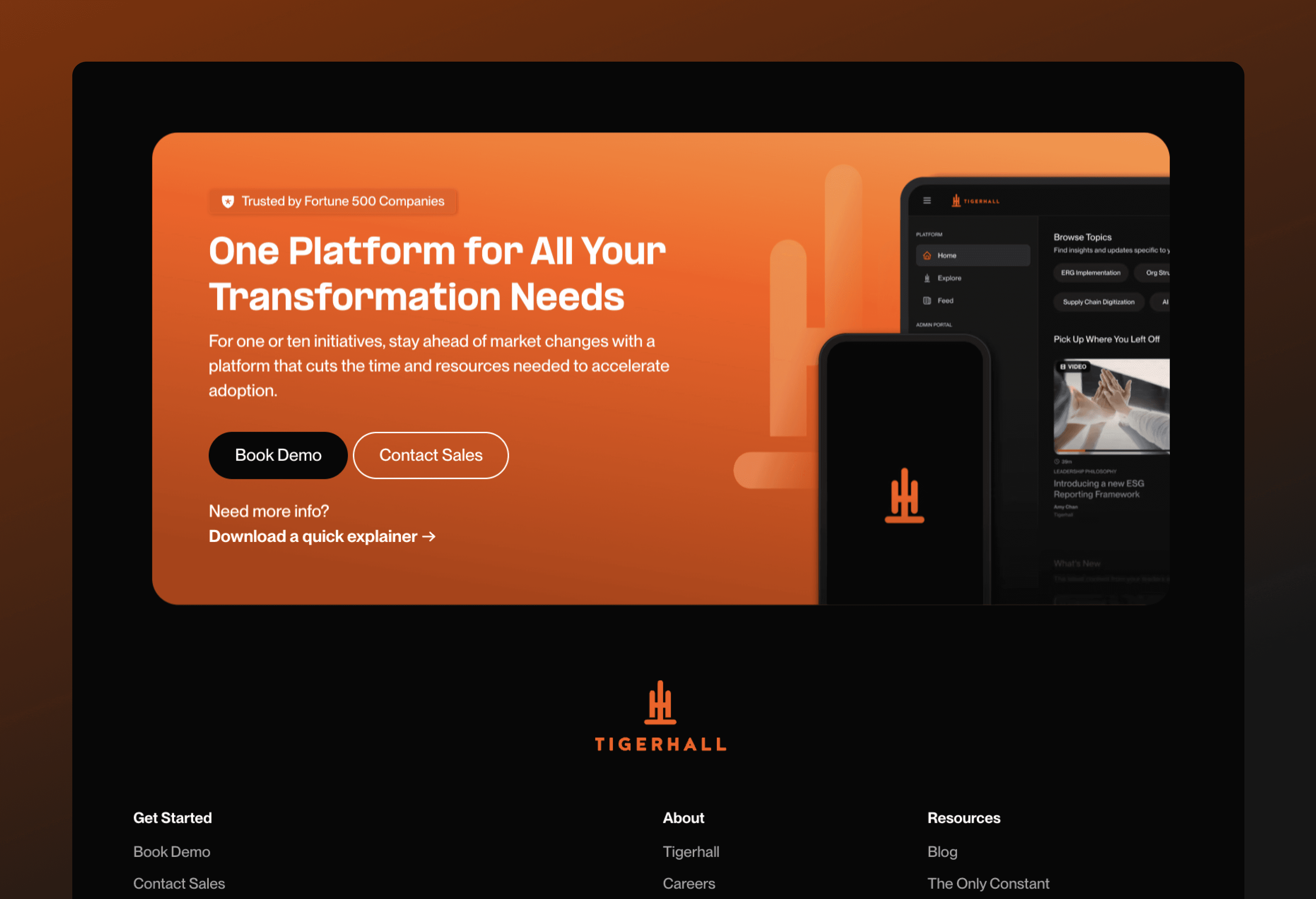
The first step was to make the brand feel more enterprise-ready, shifting the visual language to speak to large organisations, not individual learners. Moving away from fun and light, towards something more considered and credible.
The focus was on change and transformation teams, so the visuals needed to land bigger solutions like scalability, communication, and integration in a way that felt clear and relatable.
.
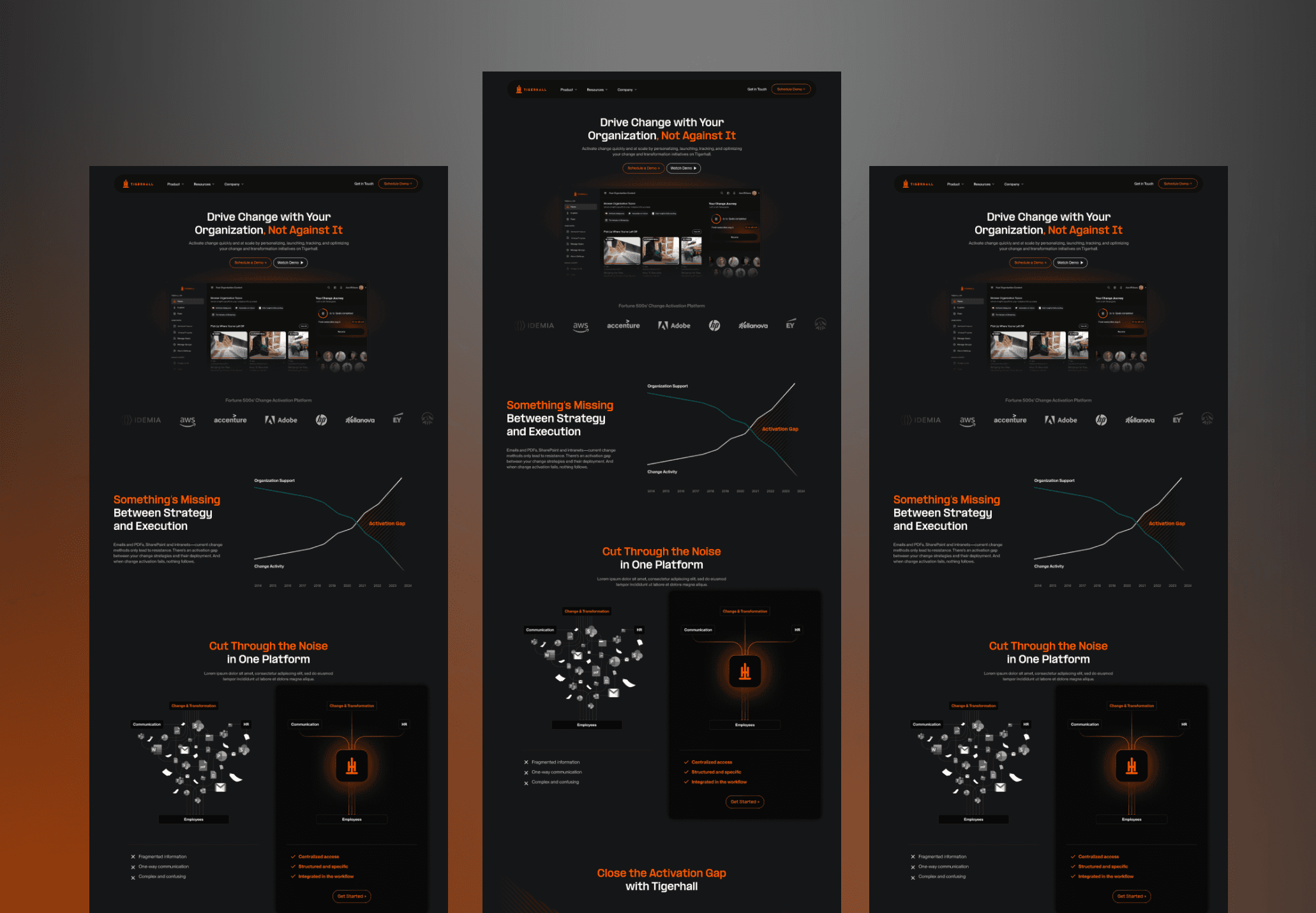
At the same time, every touchpoint had to catch up. We updated everything: from decks to product visuals to the website, while refining how the brand positioned itself.
The shift was happening in real time, so the work had to move just as fast.
By rebuilding the visual system and tightening its online presence, Tigerhall started to show up as a more complete, confident brand, one that could hold its own in enterprise conversations and support the kind of deals it was aiming to win.




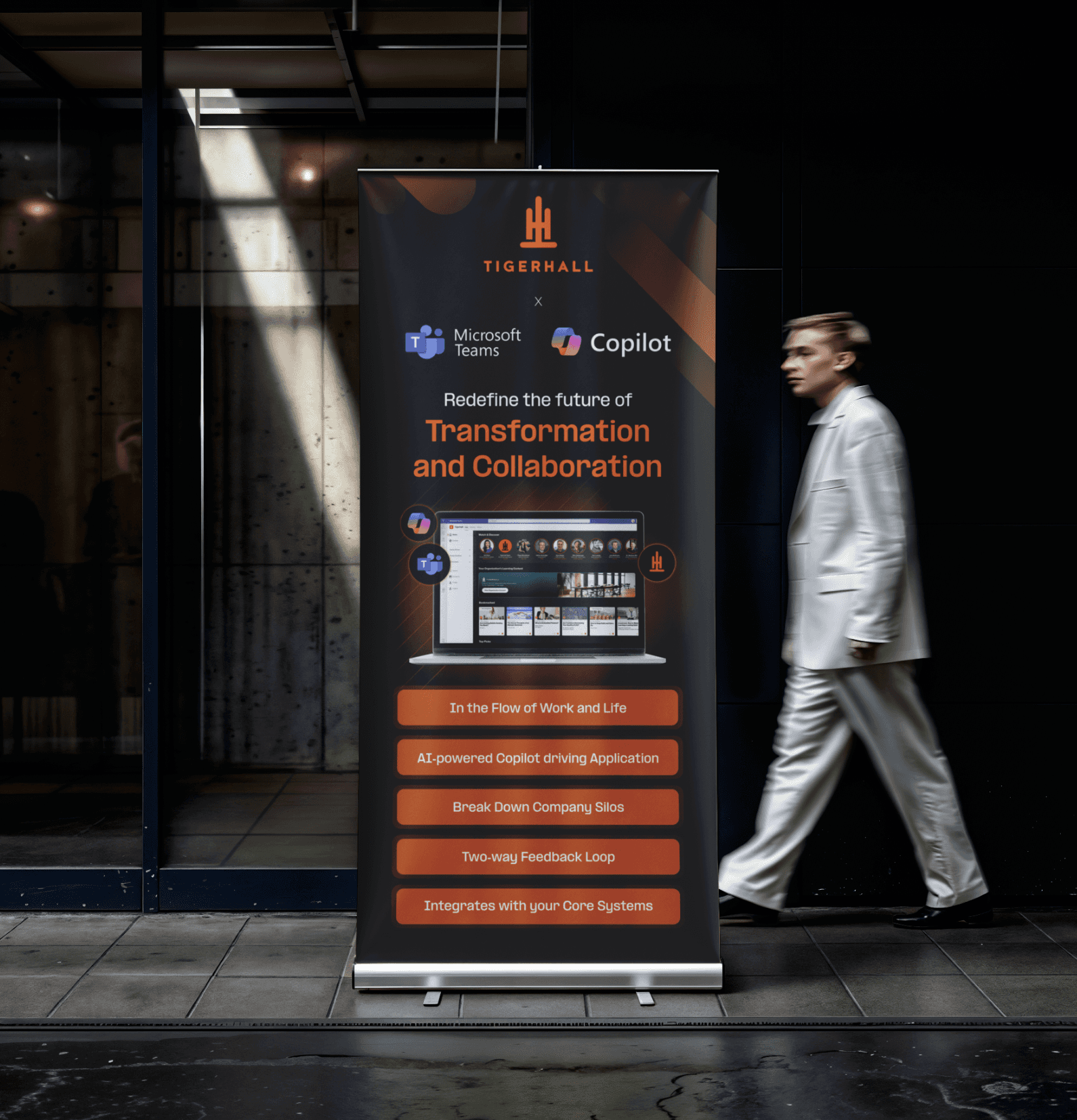
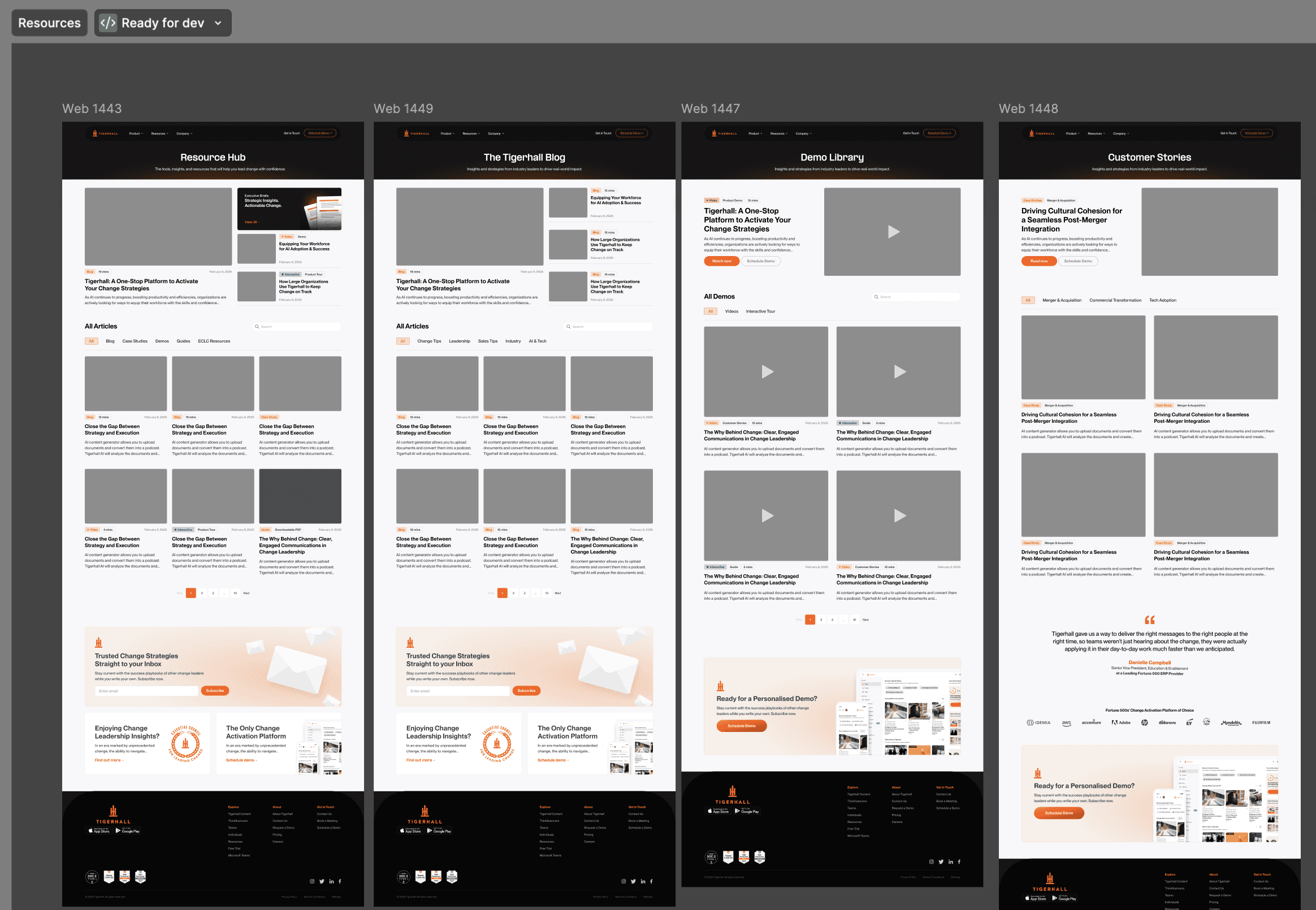
.
The foundation was there and the brand was starting to look polished, but it wasn’t translating into leads or meaningful conversations.
I realized It looked good on the surface, but it wasn’t working hard enough where it mattered, making it hard to drive pipeline and opening the right doors.
Our biggest problem was that we were moving fast, but the messaging wasn't keeping up.
One of the biggest challenges was how we talked about the product. Tigerhall was trying to do a lot, but it came across as one blurry, all-encompassing promise. We were moving so quickly through the pivot that the messaging couldn’t keep up, and everything started to blur together where people couldn't grasp what we actually offered.
So we went back to basics.
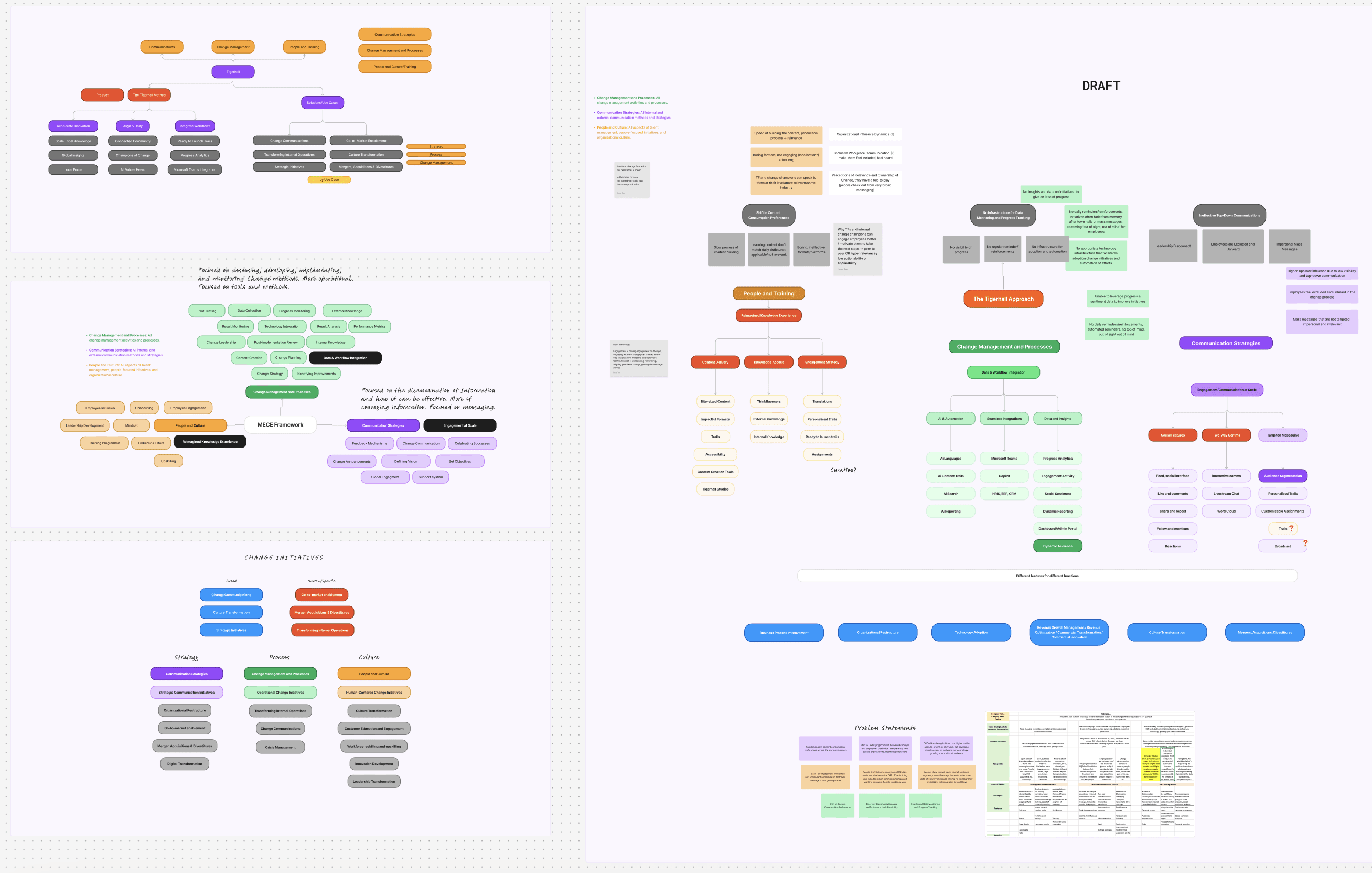
The team came together to unpack the problem. It took multiple iterations to get there. We broke the positioning down, challenged what we thought our value was, and worked to define a clear core USP.
What were the real problems we were solving? And how do we make that instantly clear to our audience?
The goal wasn’t just to sound better, we had to make our product become the one solution all change and transformation teams needed.


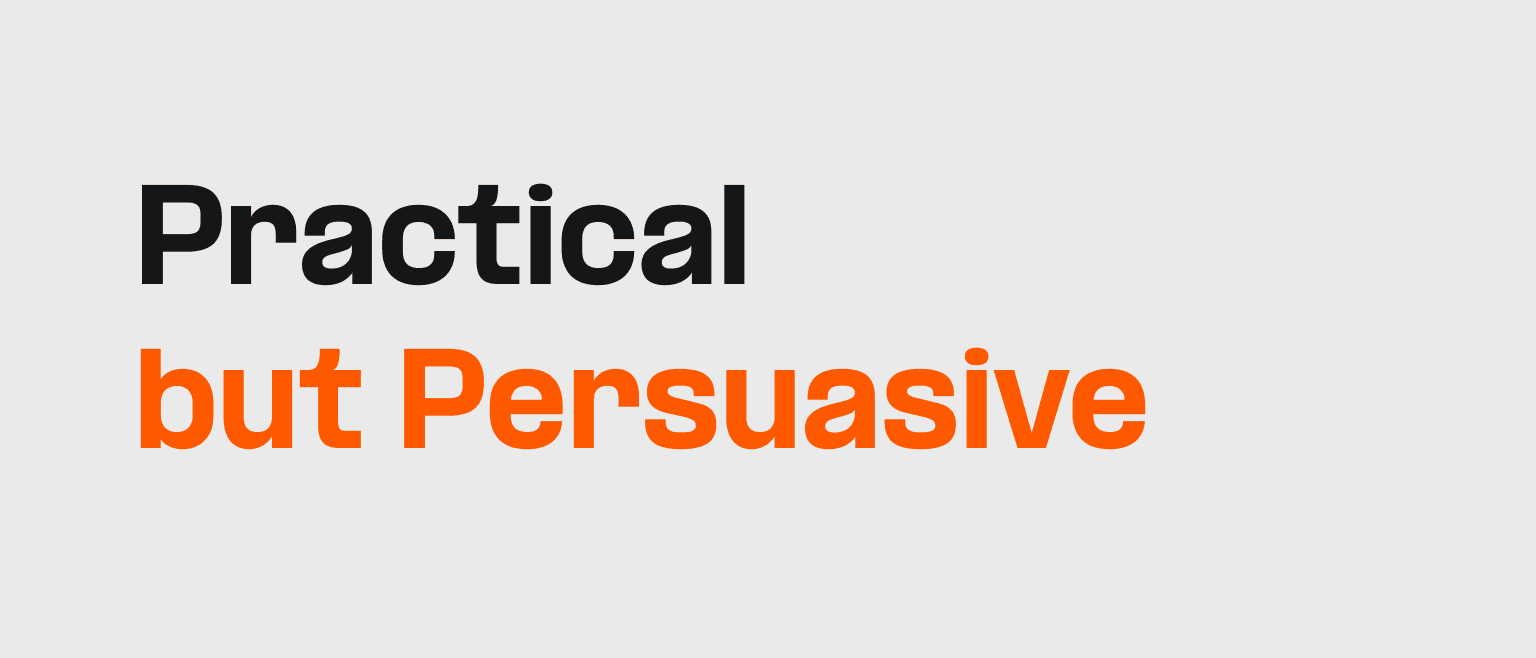
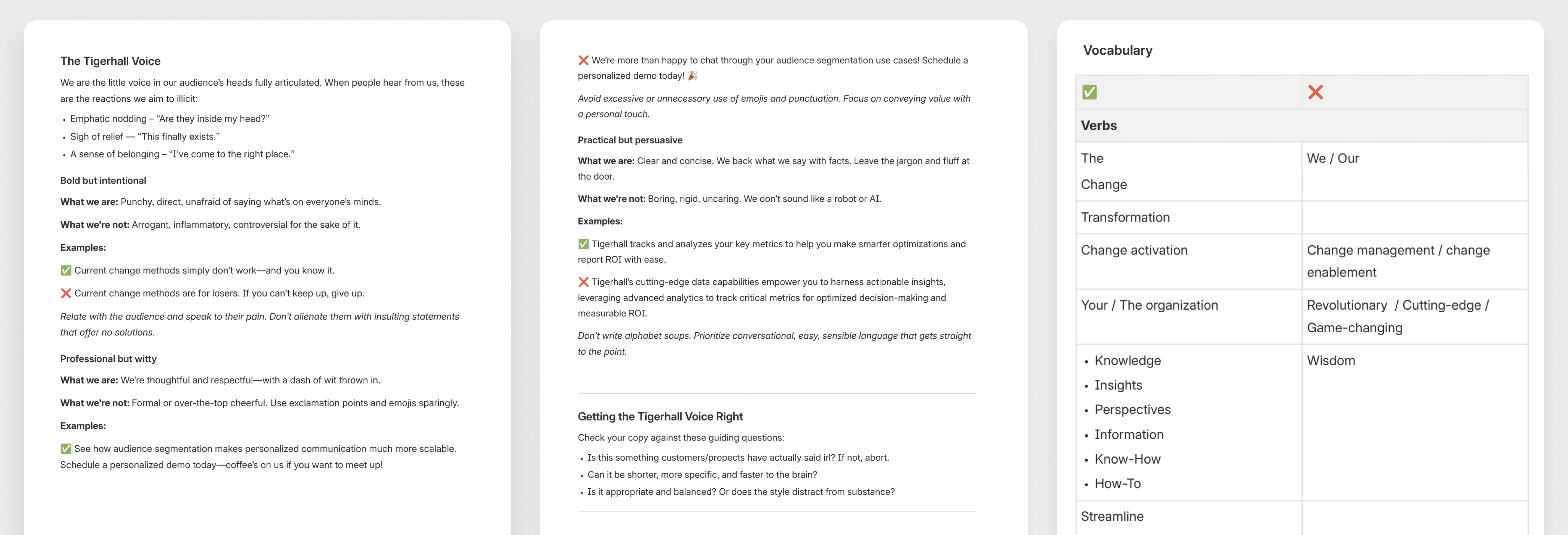
.
Alongside defining the brand tone, we also looked closely at how we spoke about the product. Because Tigerhall sits across multiple categories: intranet, communications, learning - there was a real risk of sounding like everything and nothing at the same time.
We had to be deliberate with language. What we said, and just as importantly what we didn’t say. Certain terms created confusion or set the wrong expectations, so we stripped those out and focused on wording that clearly reflected what the product actually does.
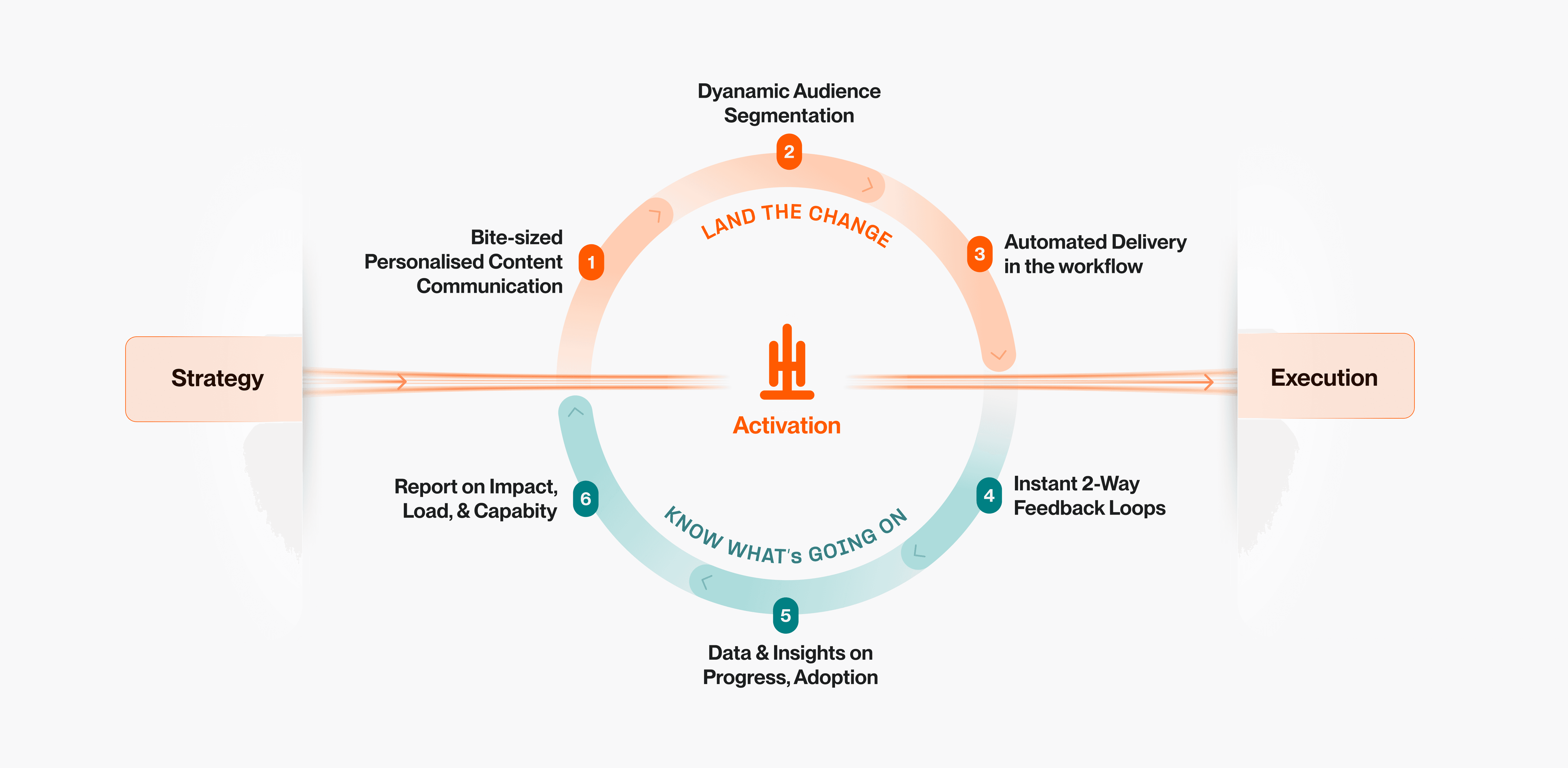
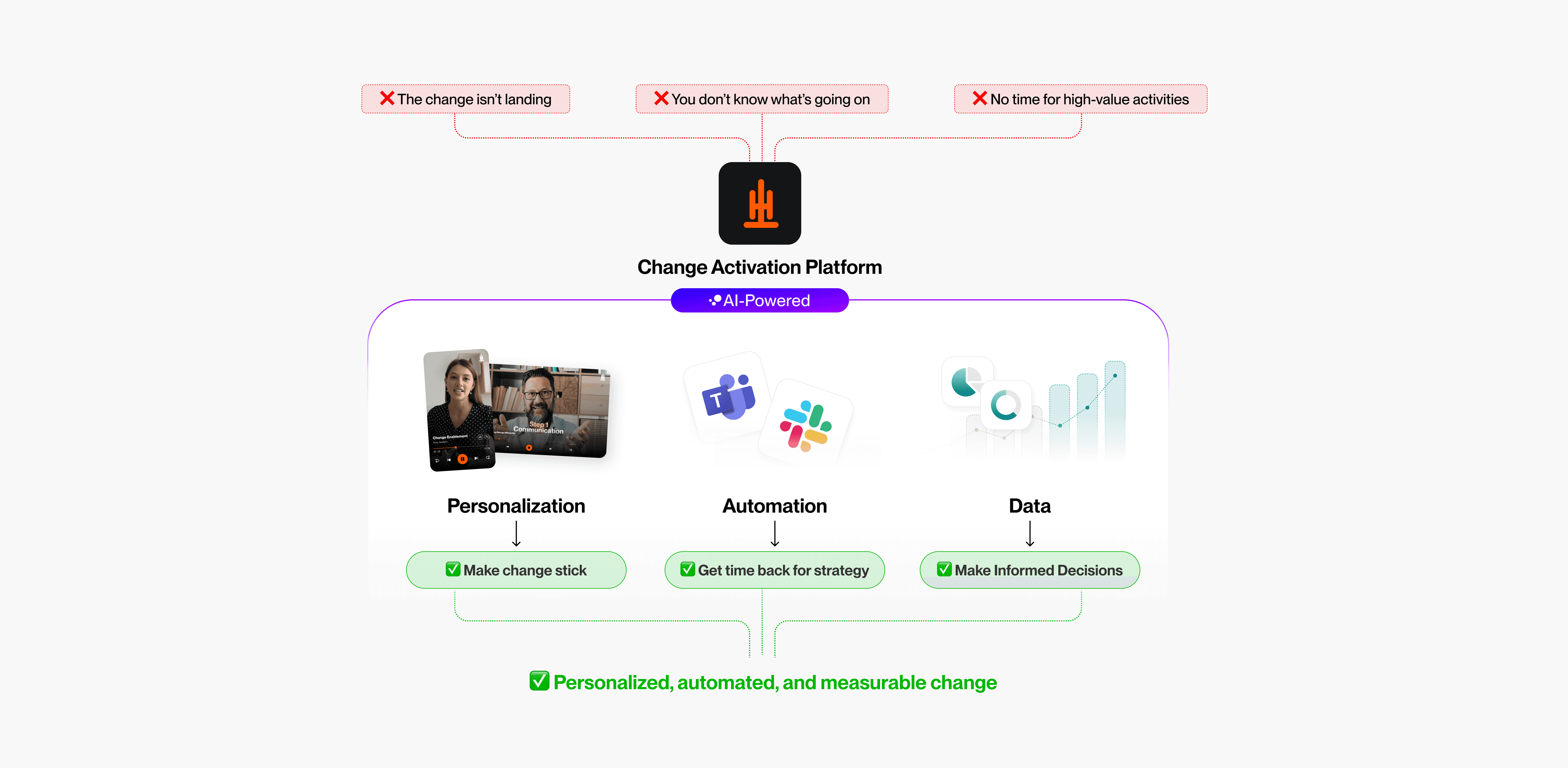
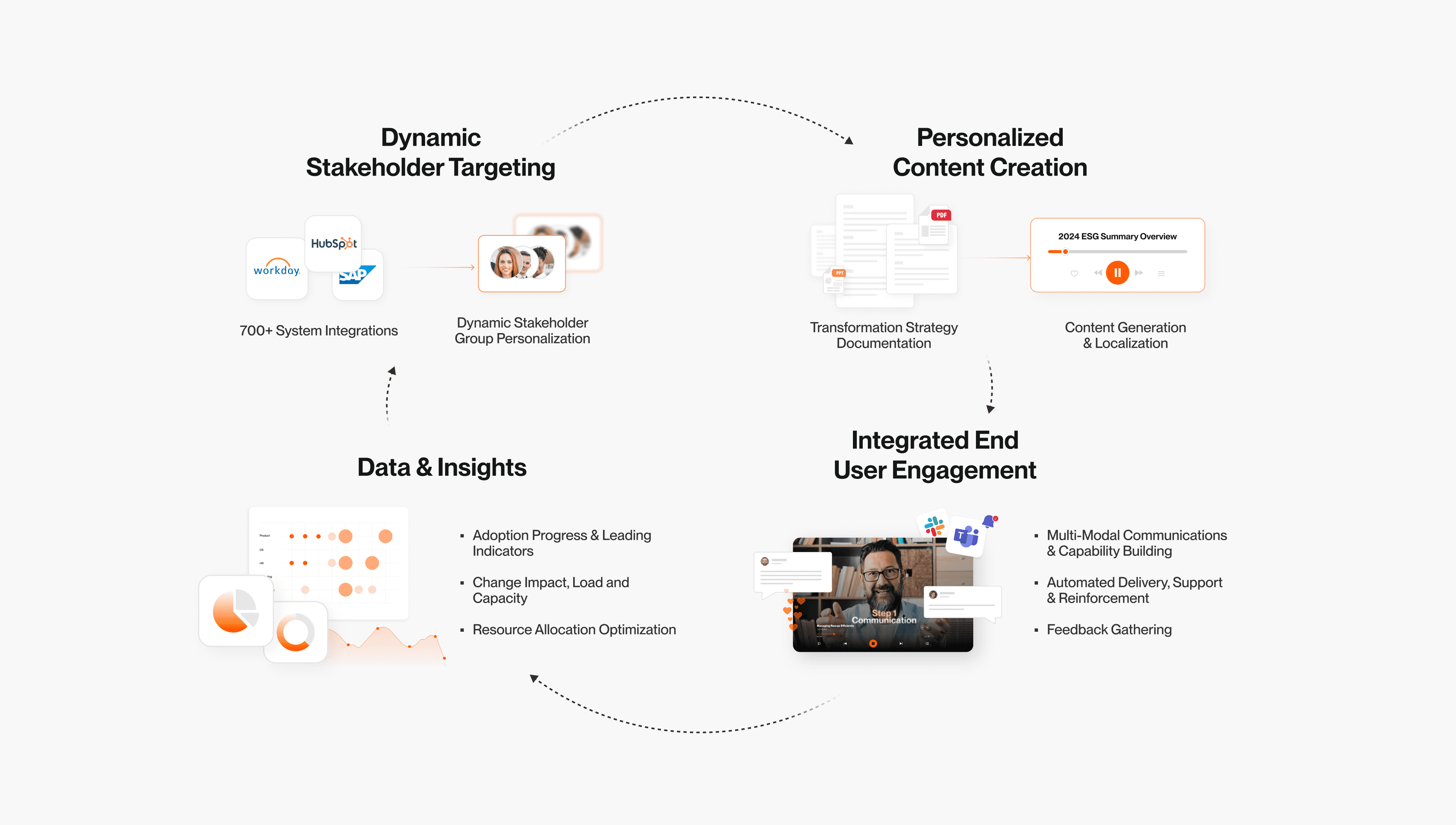
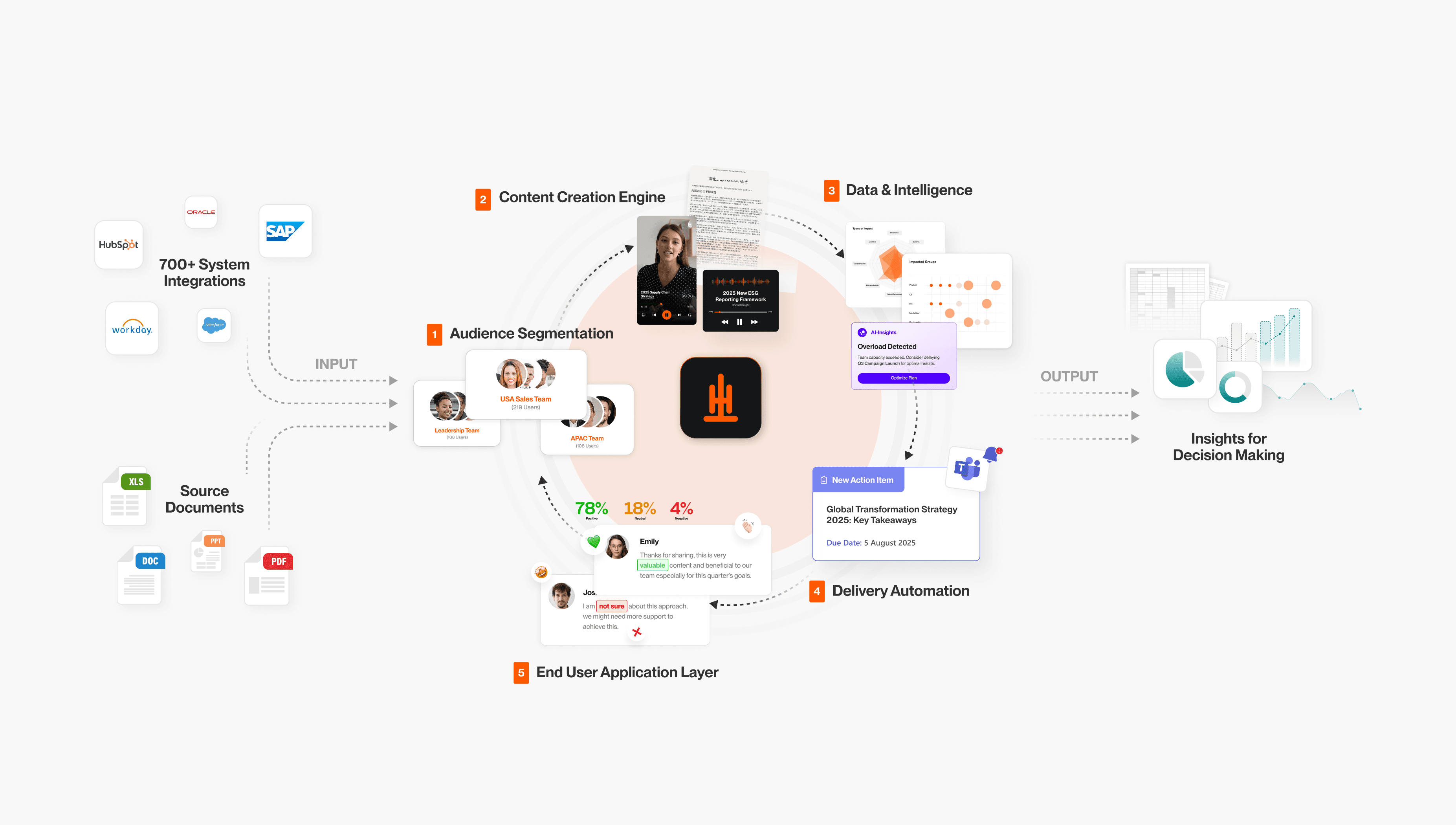
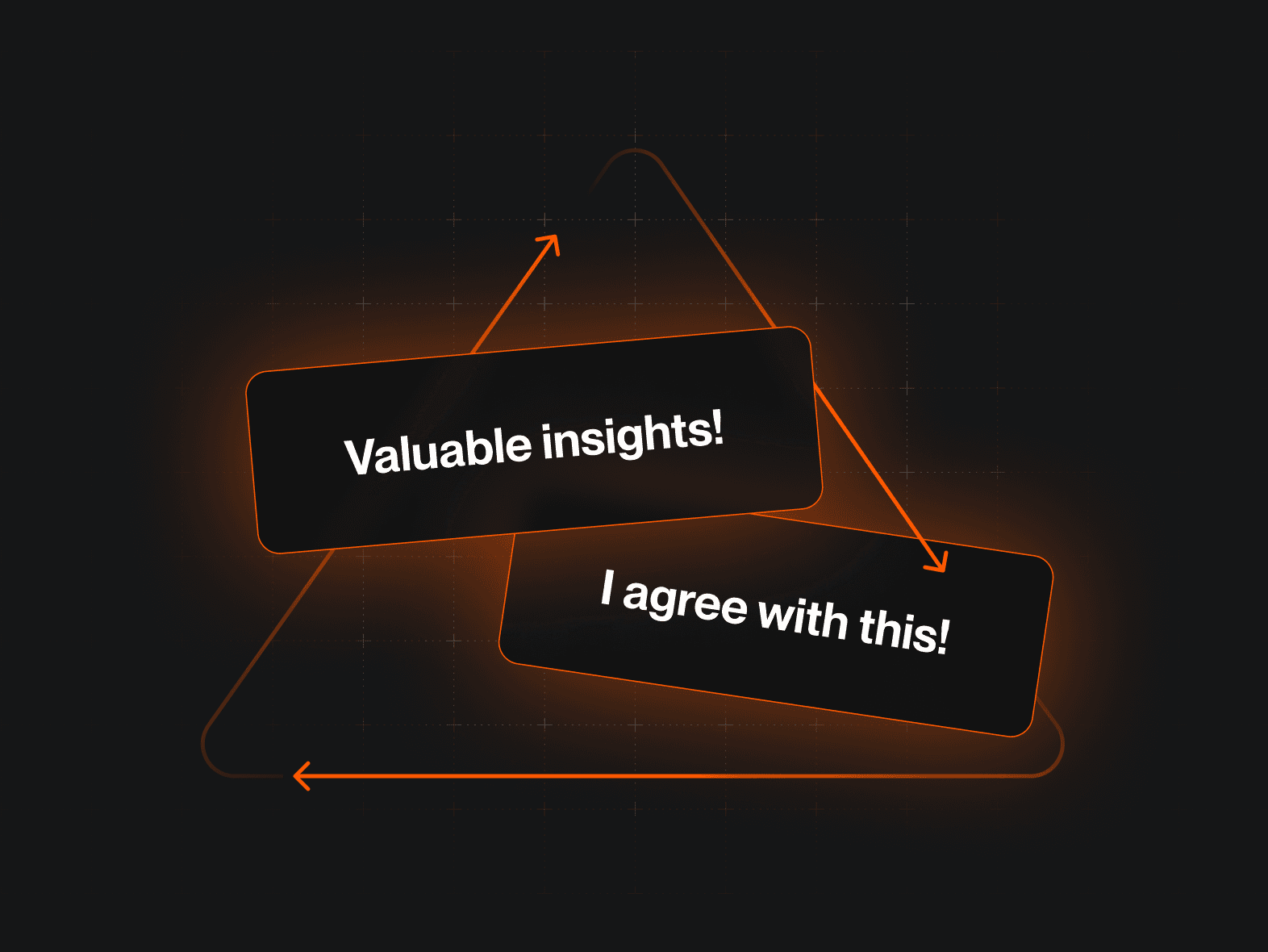
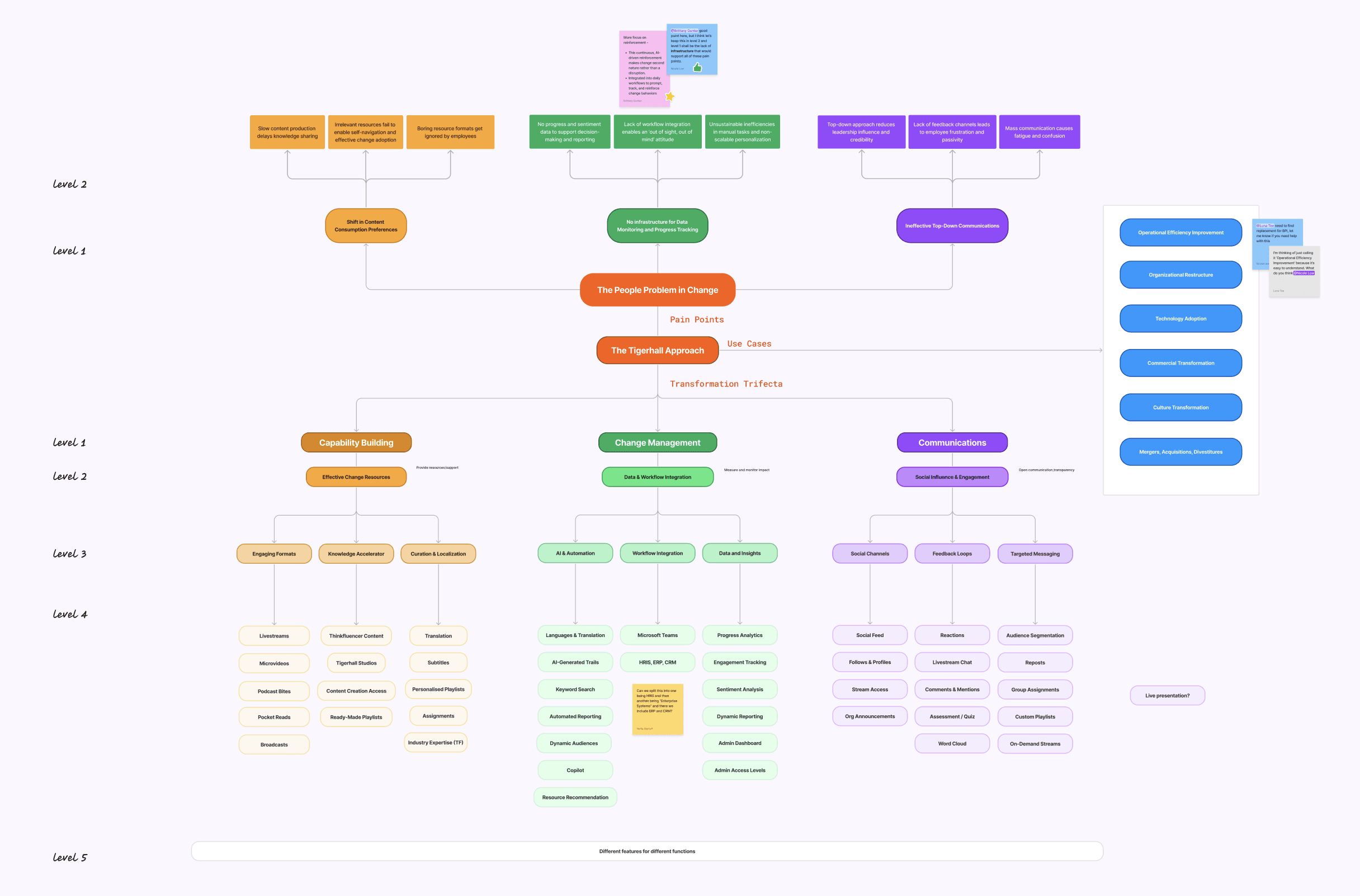
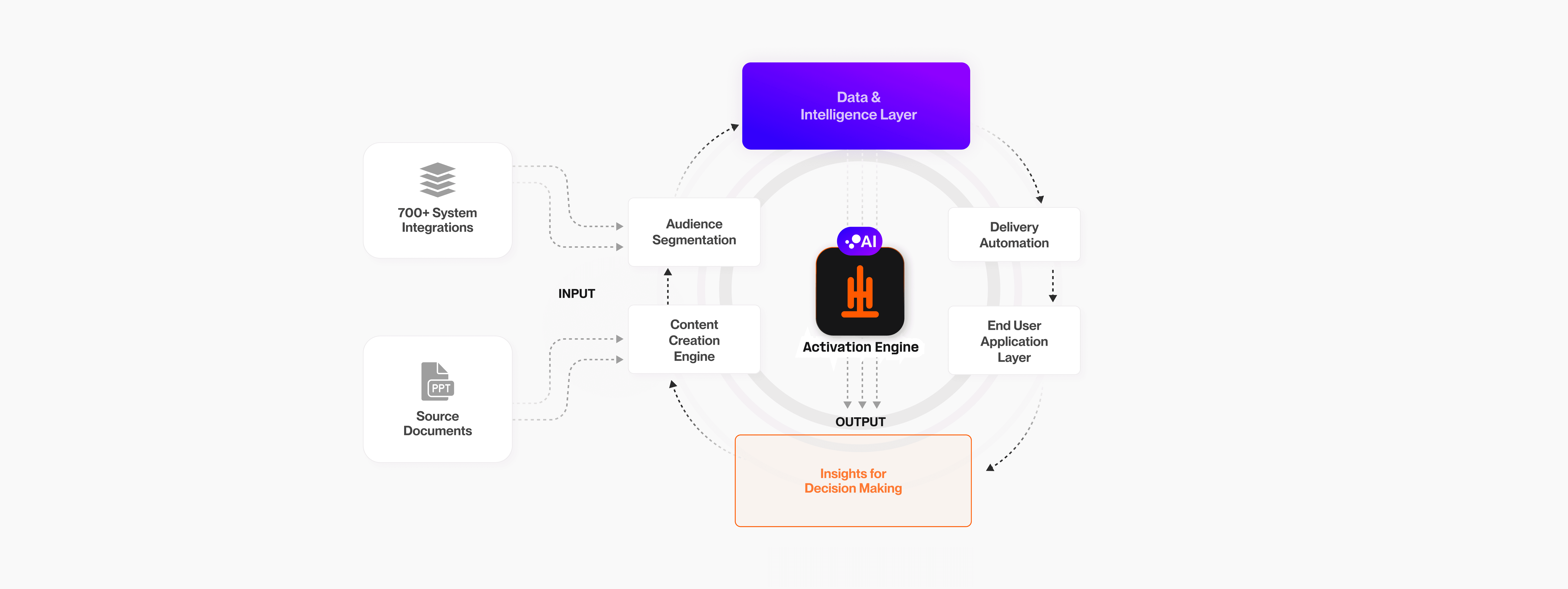
We translated complex ideas into clear, simple visuals and diagrams.
The product wasn’t easy to explain, so we went through multiple rounds of building diagrams that could work in demo calls and one-pagers for leads.
The goal was to cover the core features, while showing how everything connects, positioning Tigerhall as a complete, continuous system once teams are on board.
To get this right, we spent time on client calls and listening closely to how they spoke, what mattered to them, and what didn’t land.
We picked up their language, their pain points, and what actually drove decisions. Then translated that directly into how we presented Tigerhall, making sure the product spoke in a way that felt immediately relevant and clear.

With the foundation in place, we evolved the brand to meet an AI-first world.
AI quickly became the main conversation, and we needed to show up in it in a way that felt credible. Rather than treating AI as a feature, we leaned into it as a core part of the product.
That meant rethinking how we talked about Tigerhall, the language we used, and how we visually expressed it. We brought AI workflows into the forefront of our messaging, incorporated more relevant terminology, and evolved the visual direction to feel more modern, intelligent, and AI-driven.
Once the brand foundation was stronger, the focus shifted to driving demand.
With a stronger foundation in place, the focus shifted from shaping the brand to making it work harder for the business.
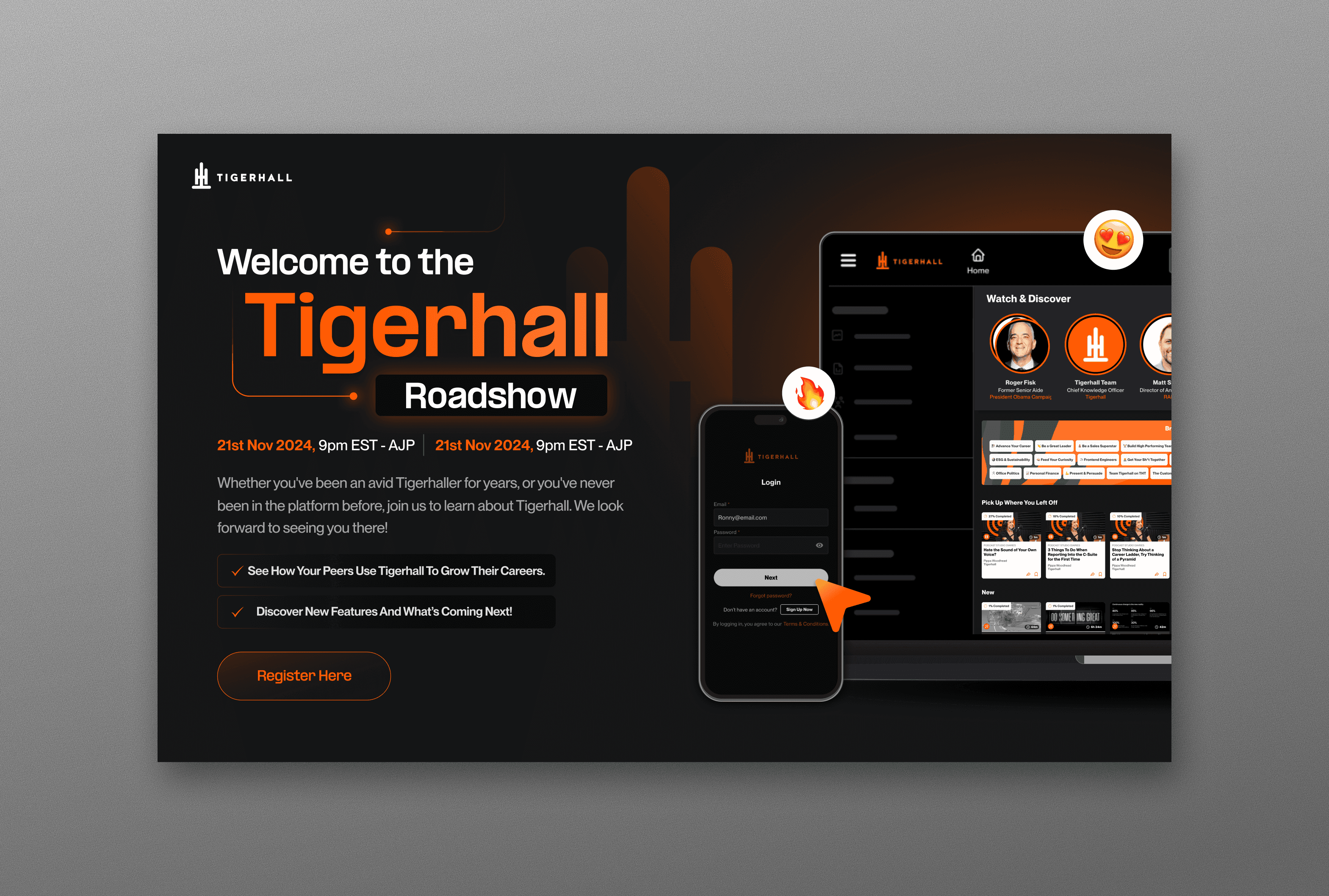
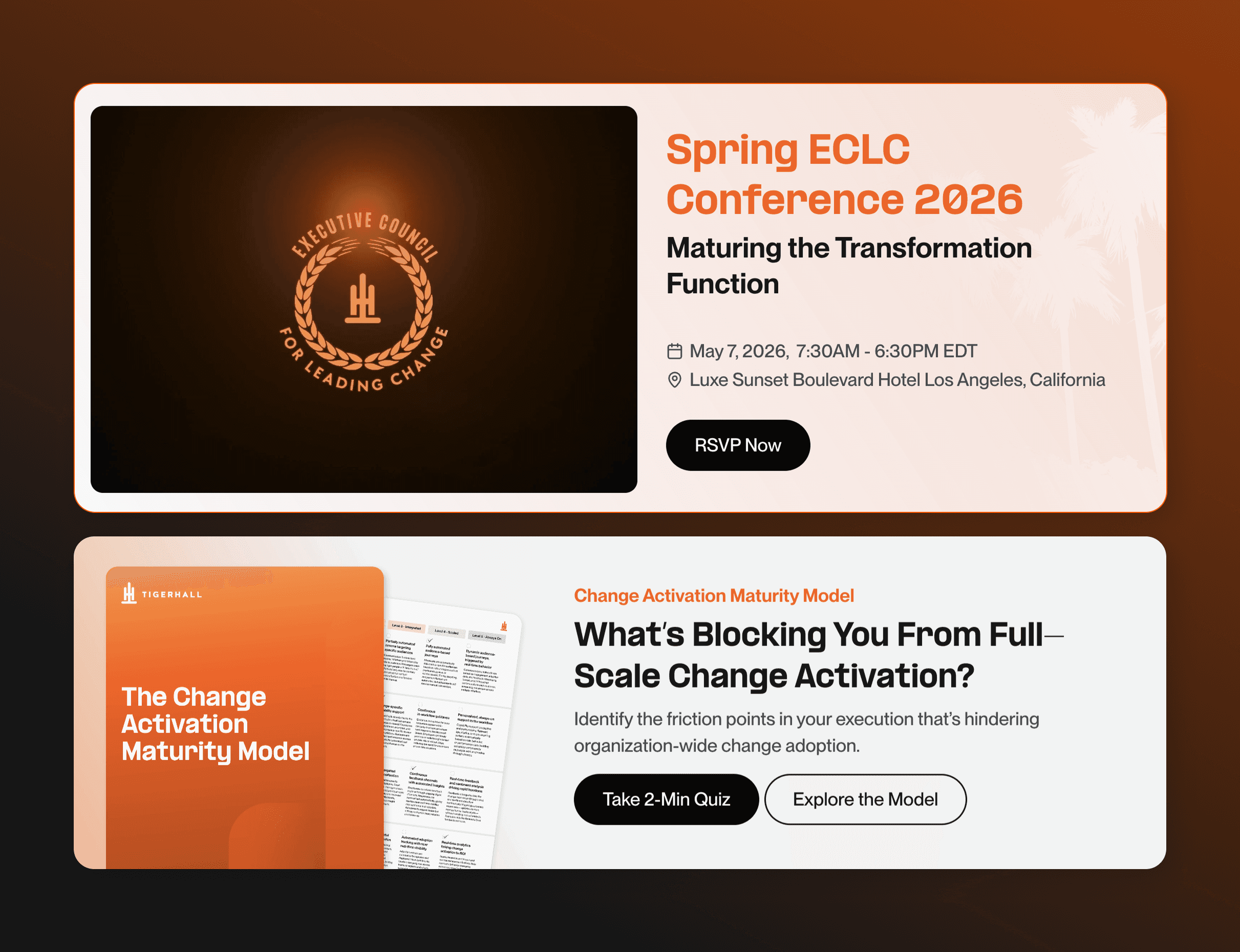
The brand continued to be refined, becoming more targeted, more intentional, and more aligned with our audience. At the same time, we expanded our marketing ecosystem. New channels were built out, from webinars to gated content, each designed to bring in high-intent leads and create more meaningful entry points into the product.
Every touchpoint was connected back to the same goal: driving pipeline. Whether it was content, events, or digital experiences, the work wasn’t just about visibility anymore. It was about creating consistent, scalable ways to attract, engage, and convert the right audience.

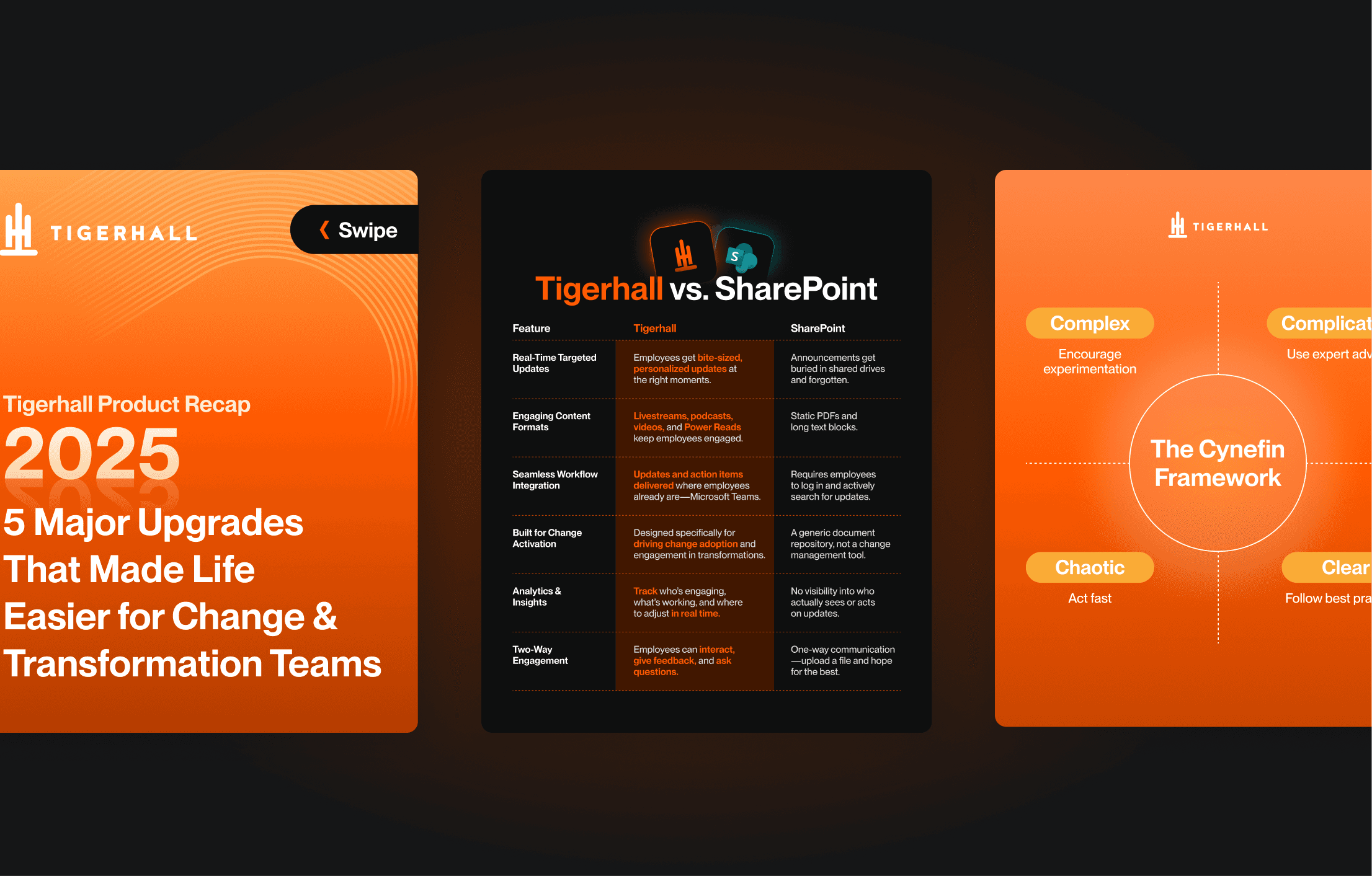
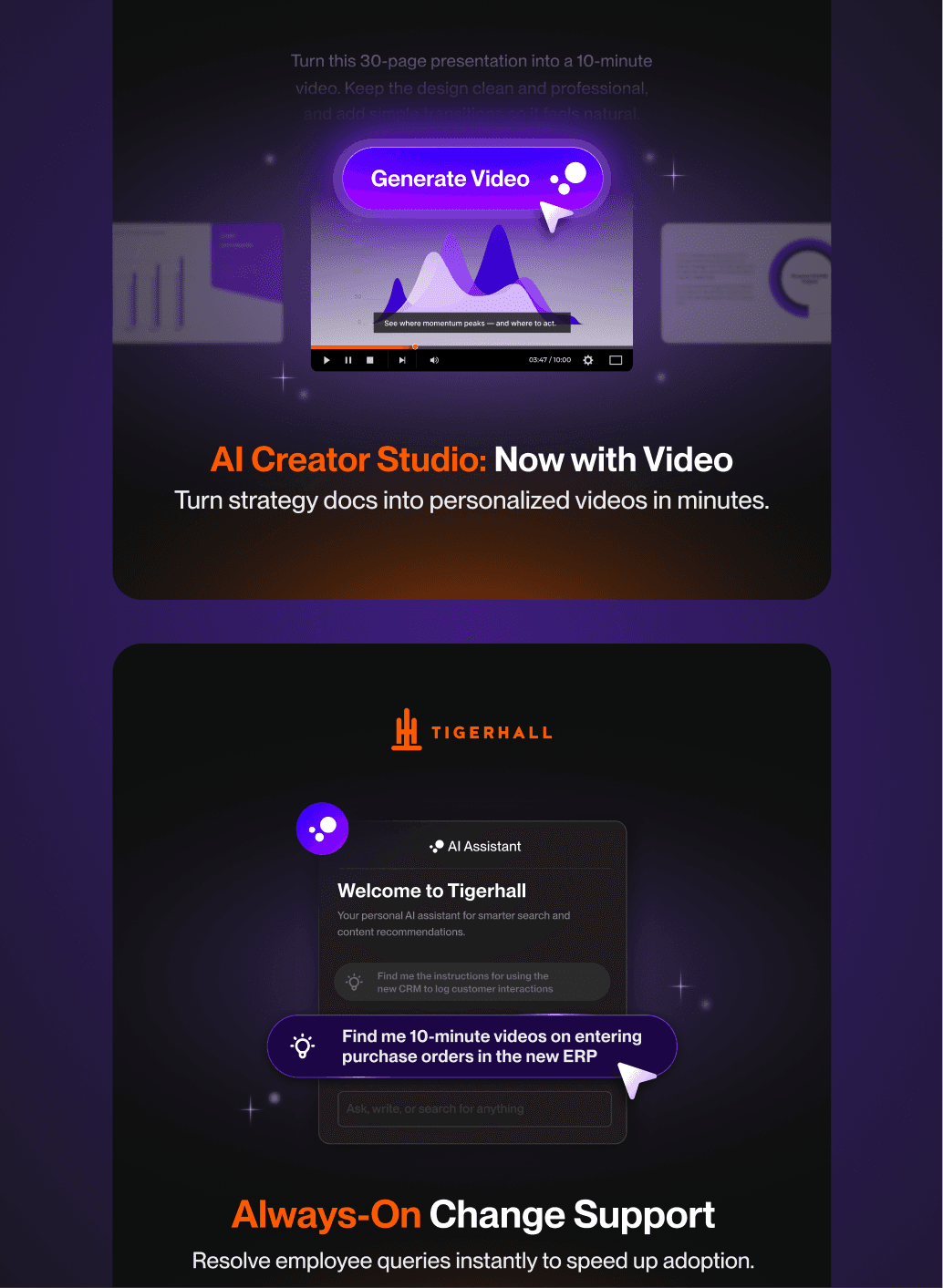
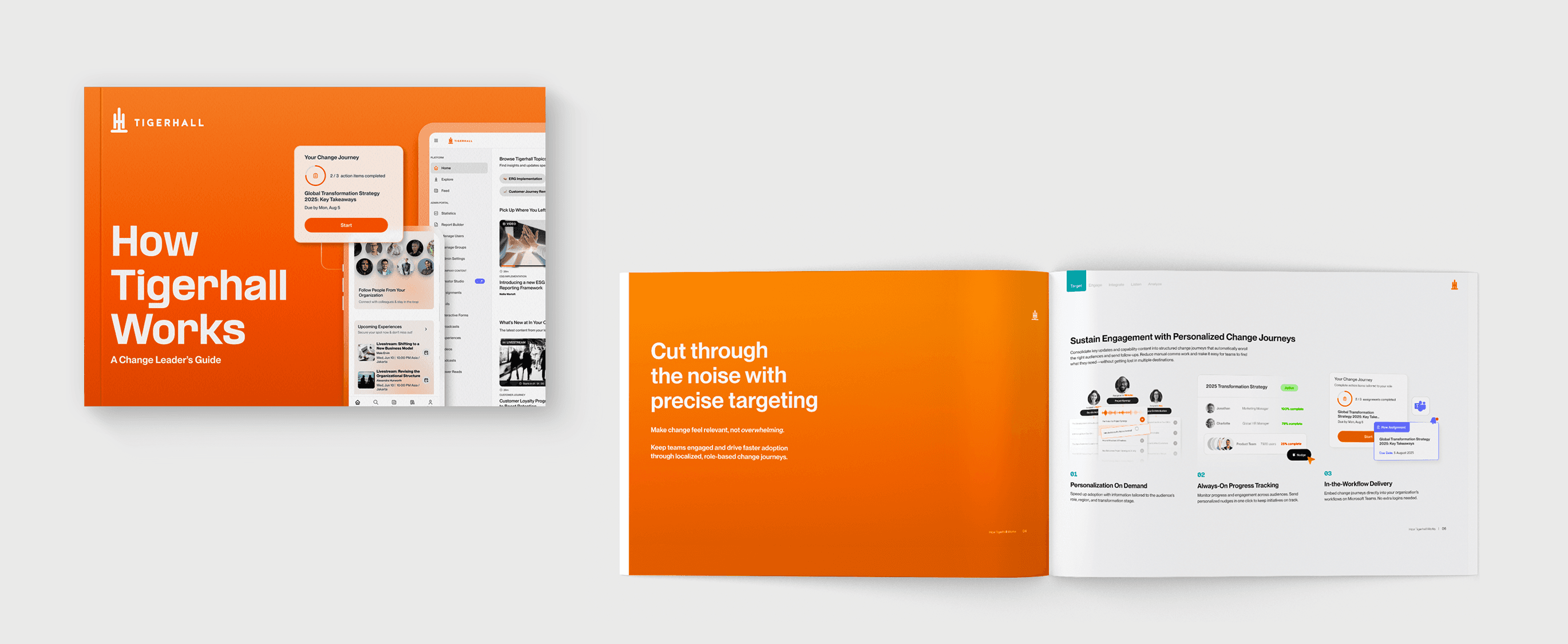
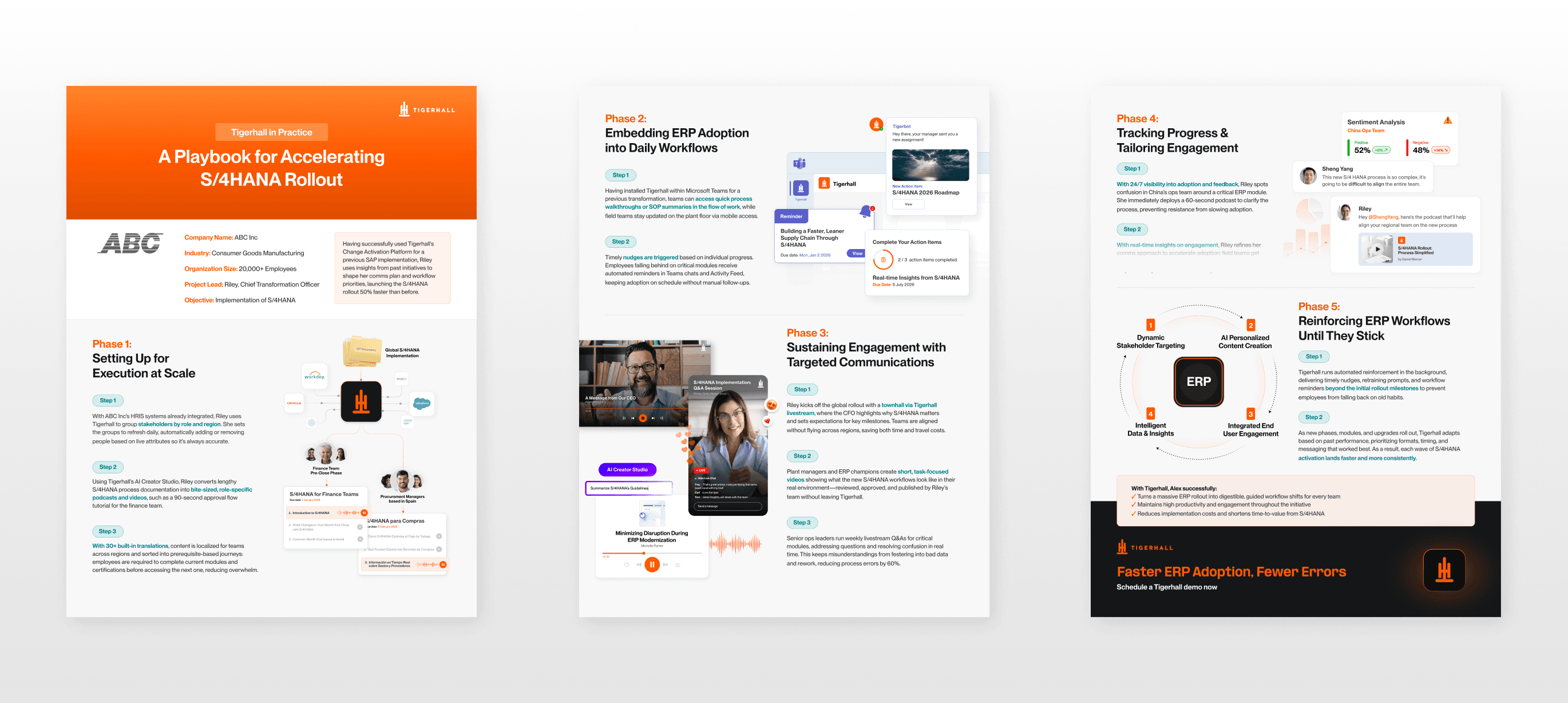
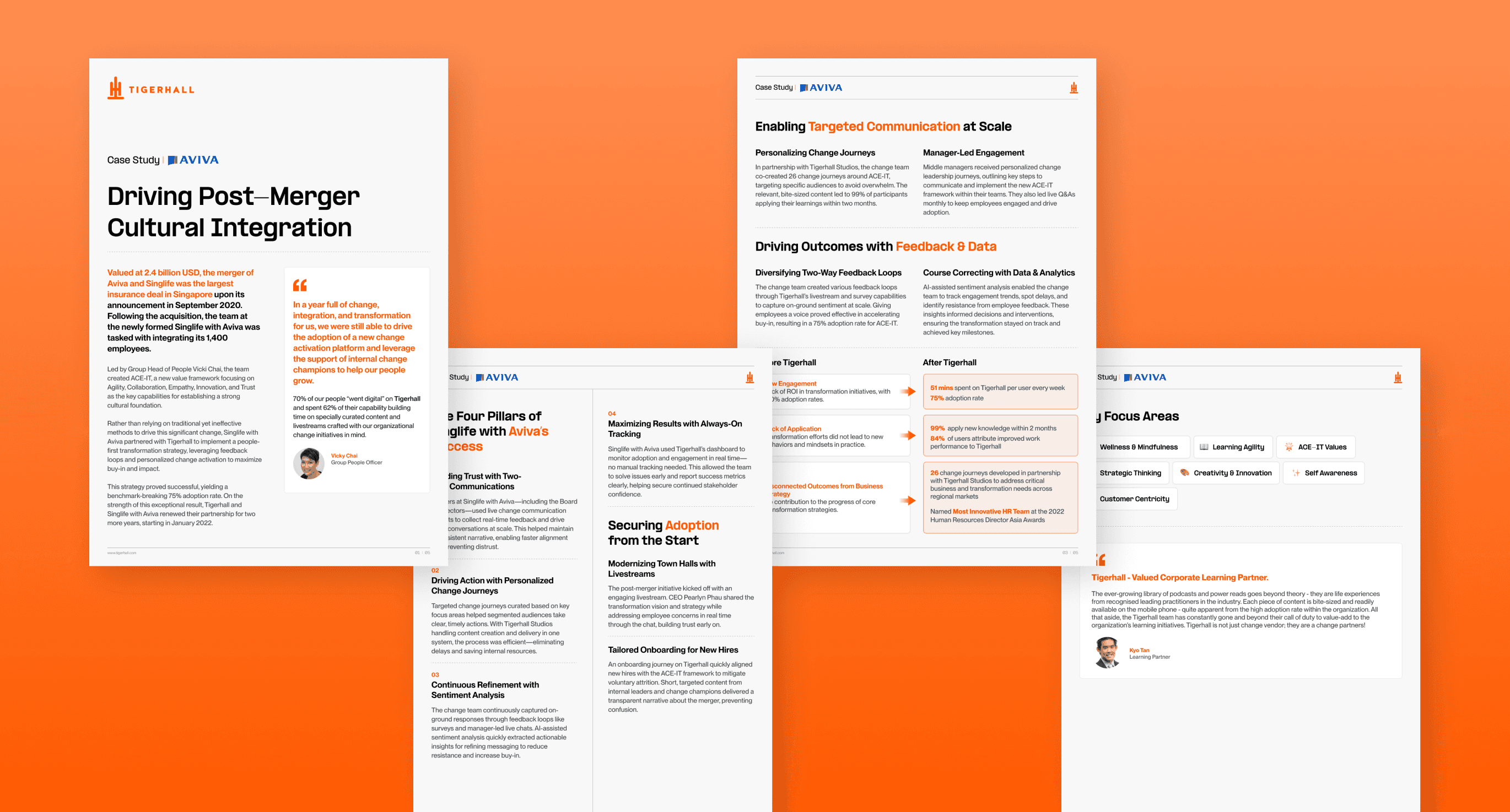
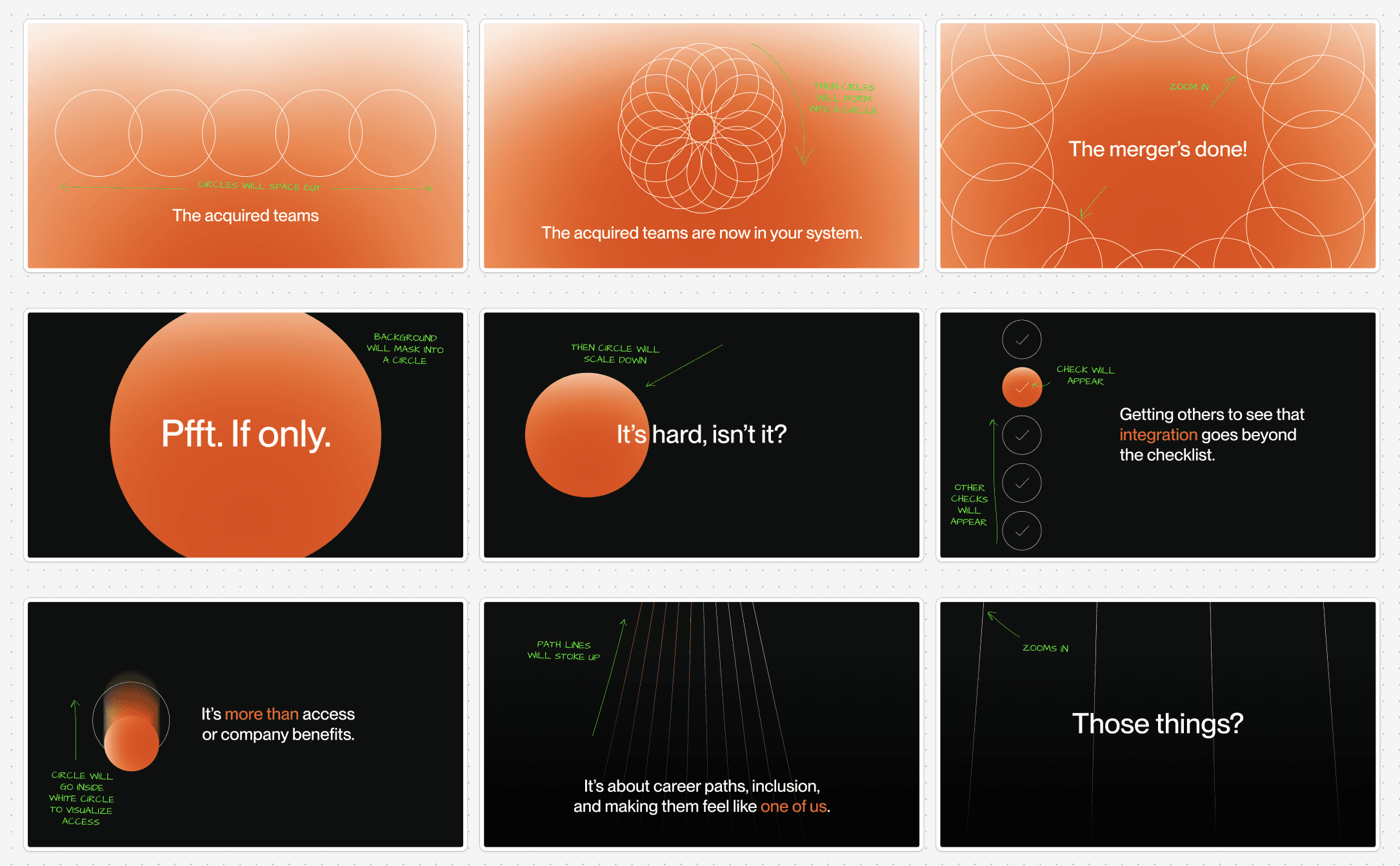
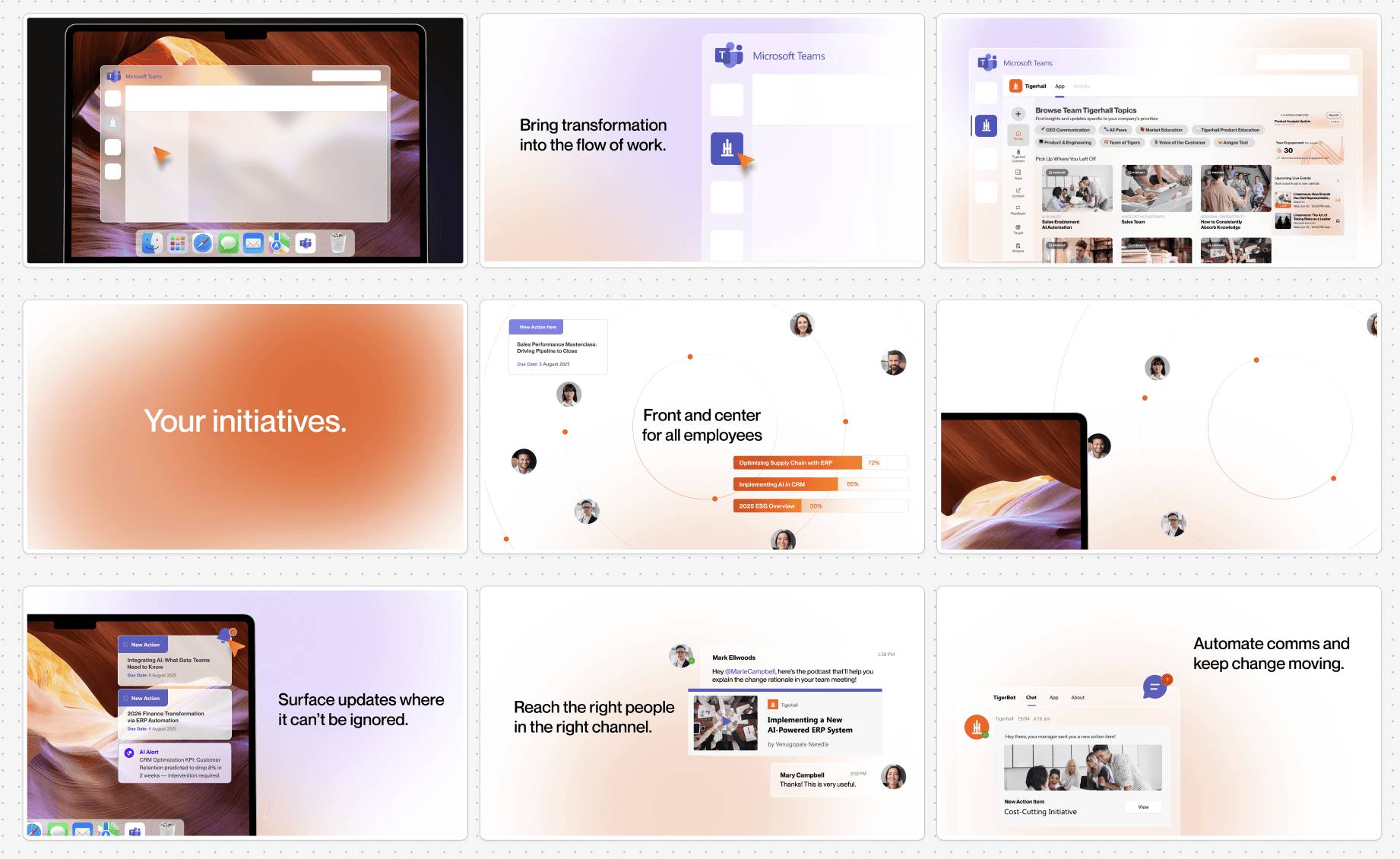

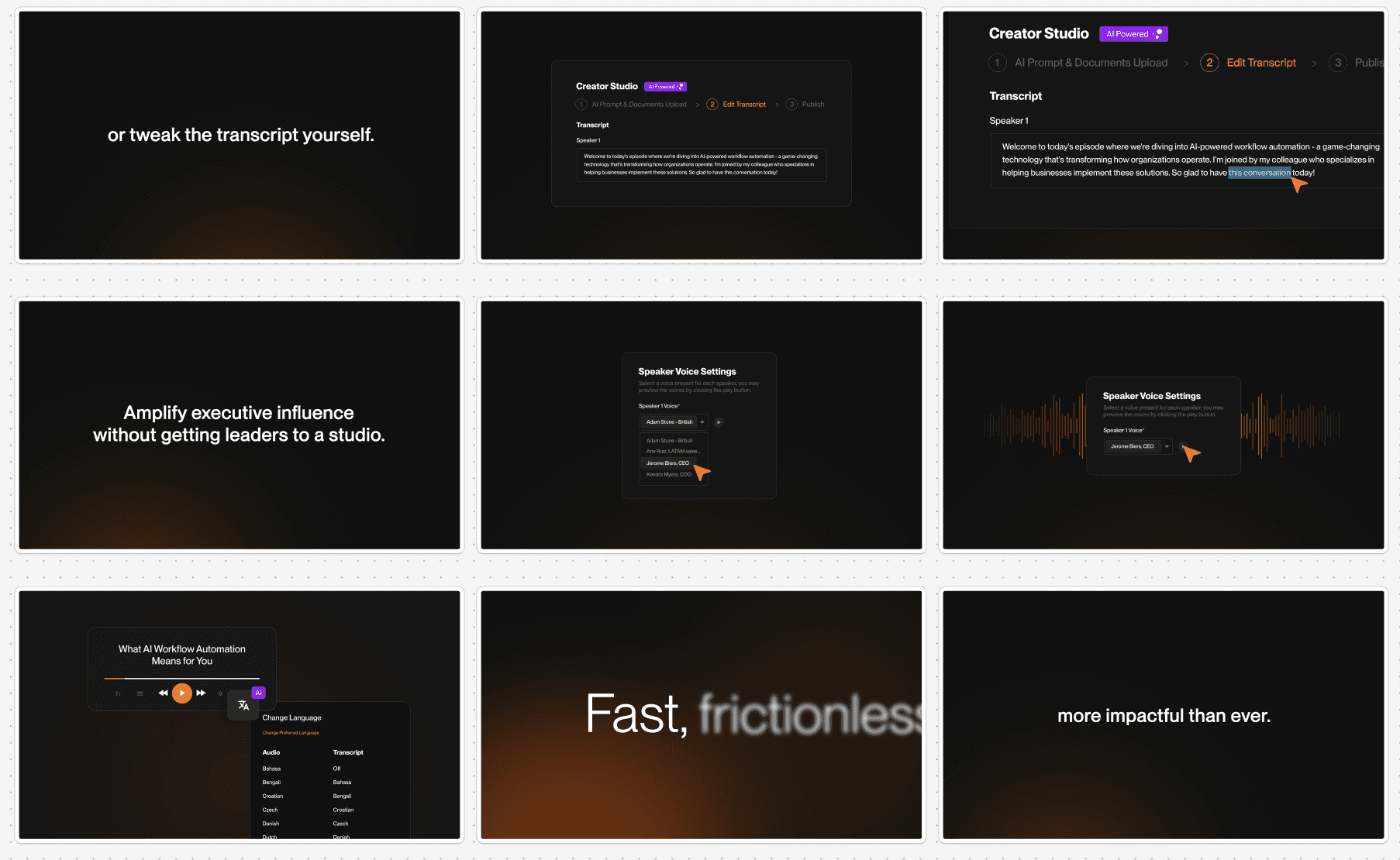
Bringing Tigerhall to life through motion that clearly communicates the value of our features.
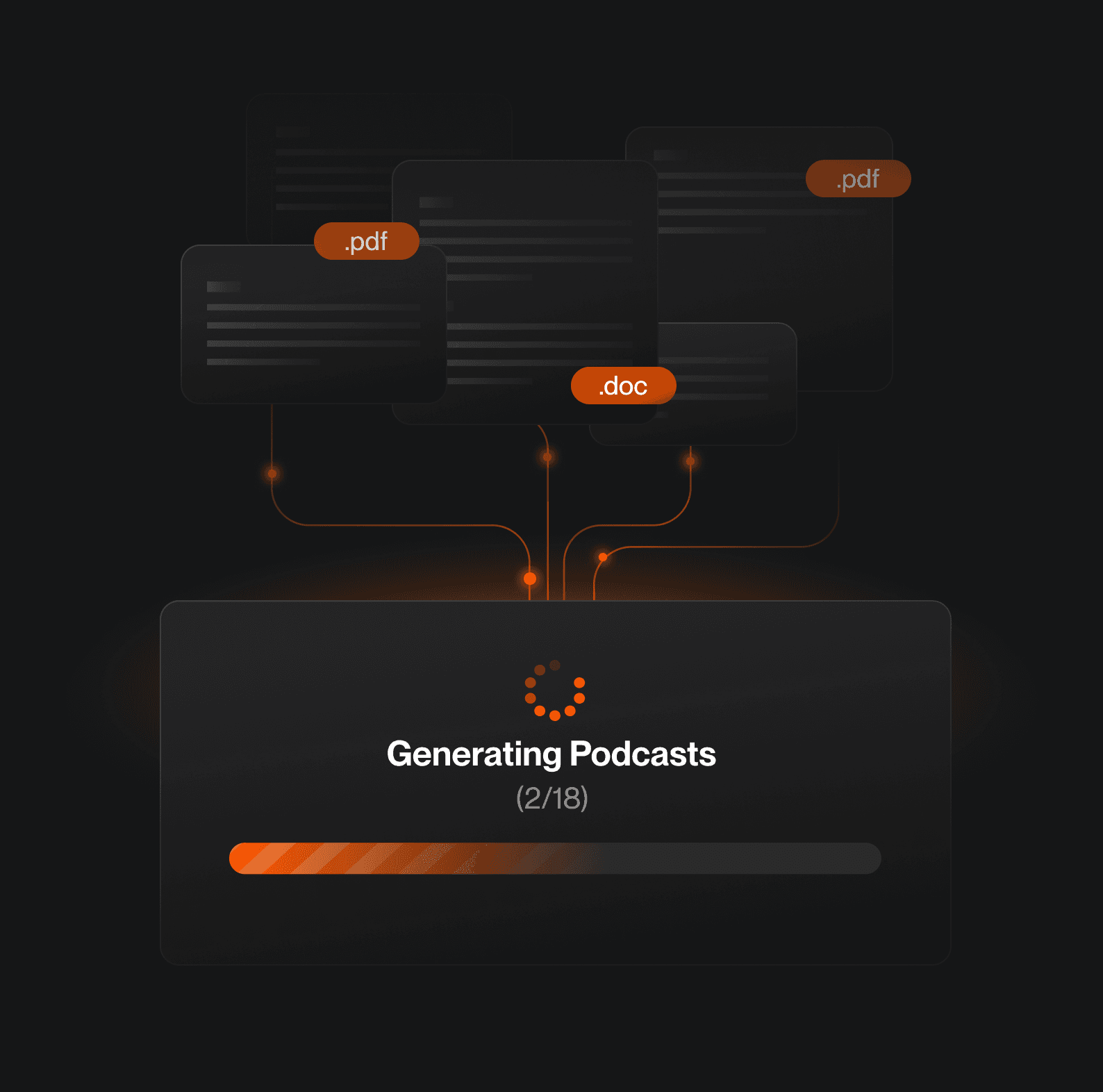
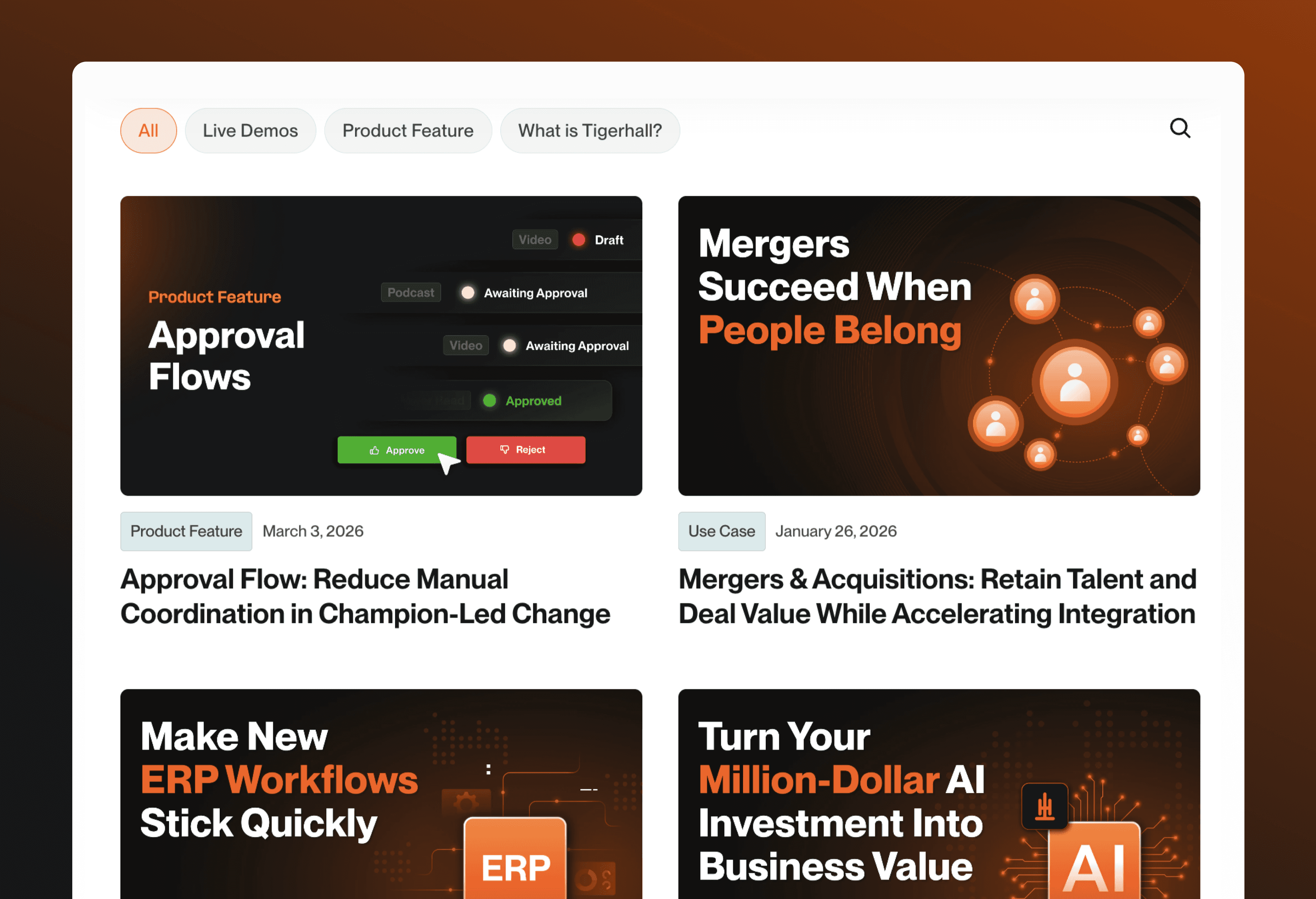
We also leaned into video to bring the product to life.
We created a range of videos that translated features into flows, and ideas into something tangible. It helped bridge the gap between what we say and what the product actually does, making it easier for people to connect the dots.
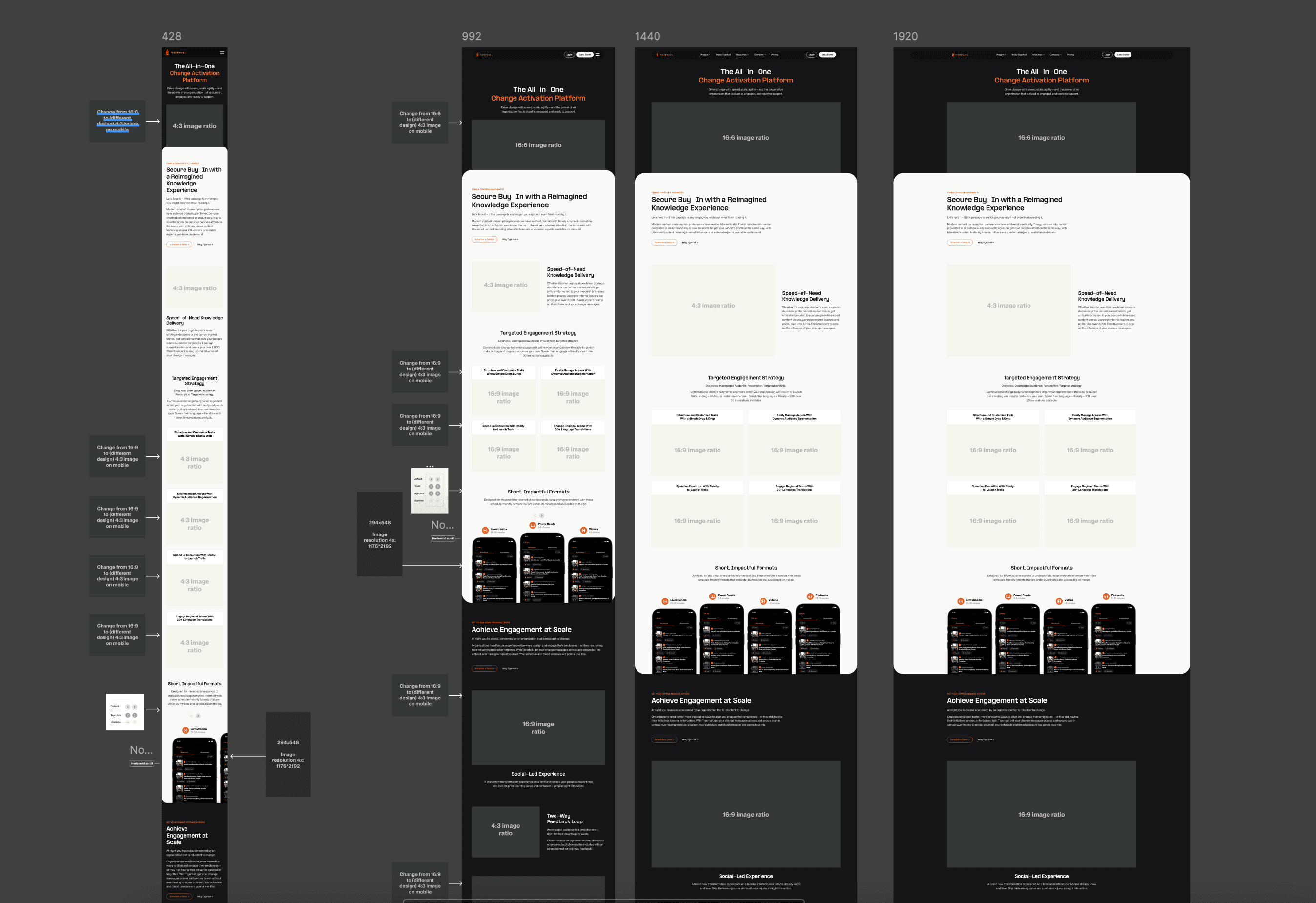
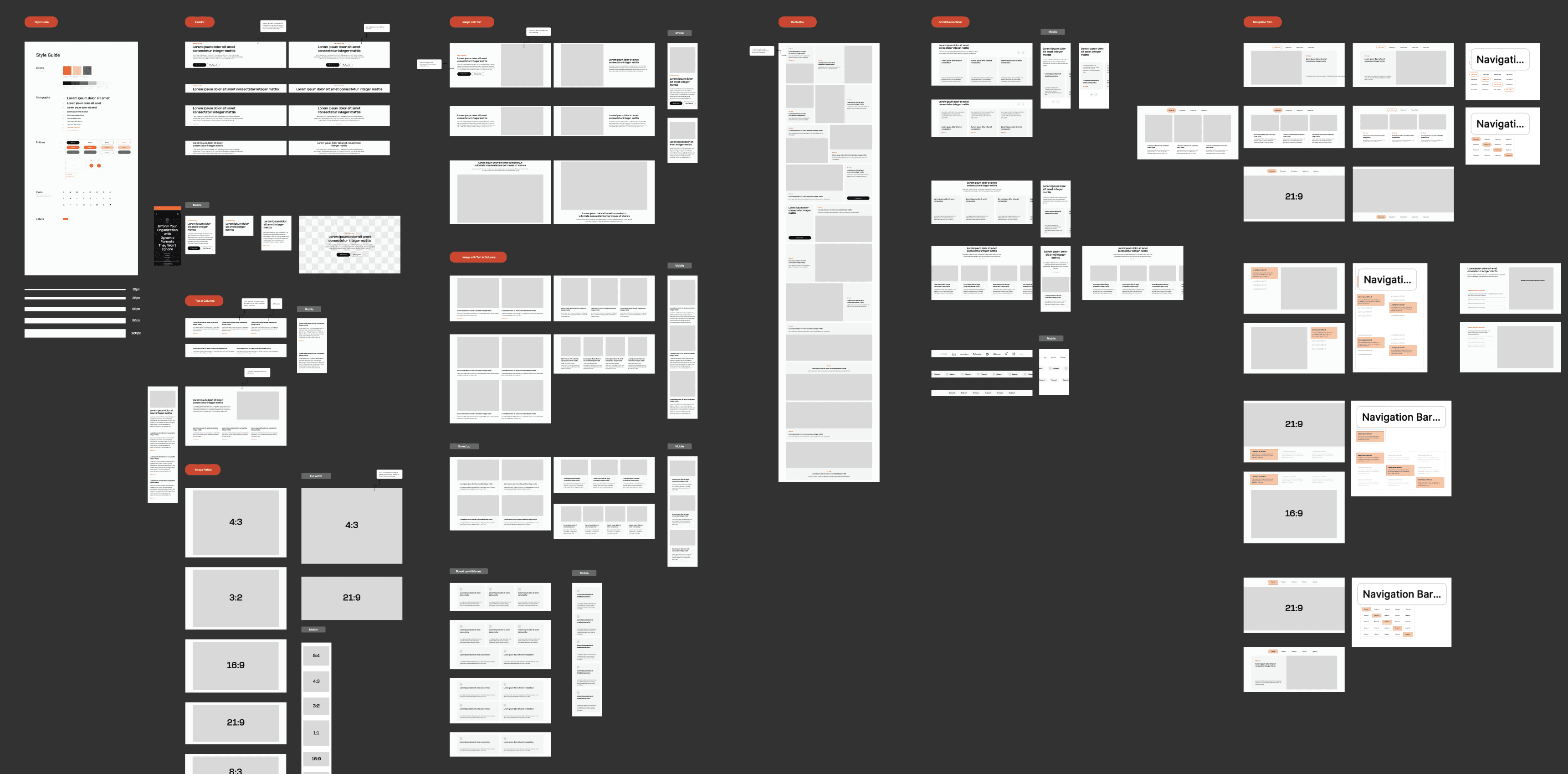
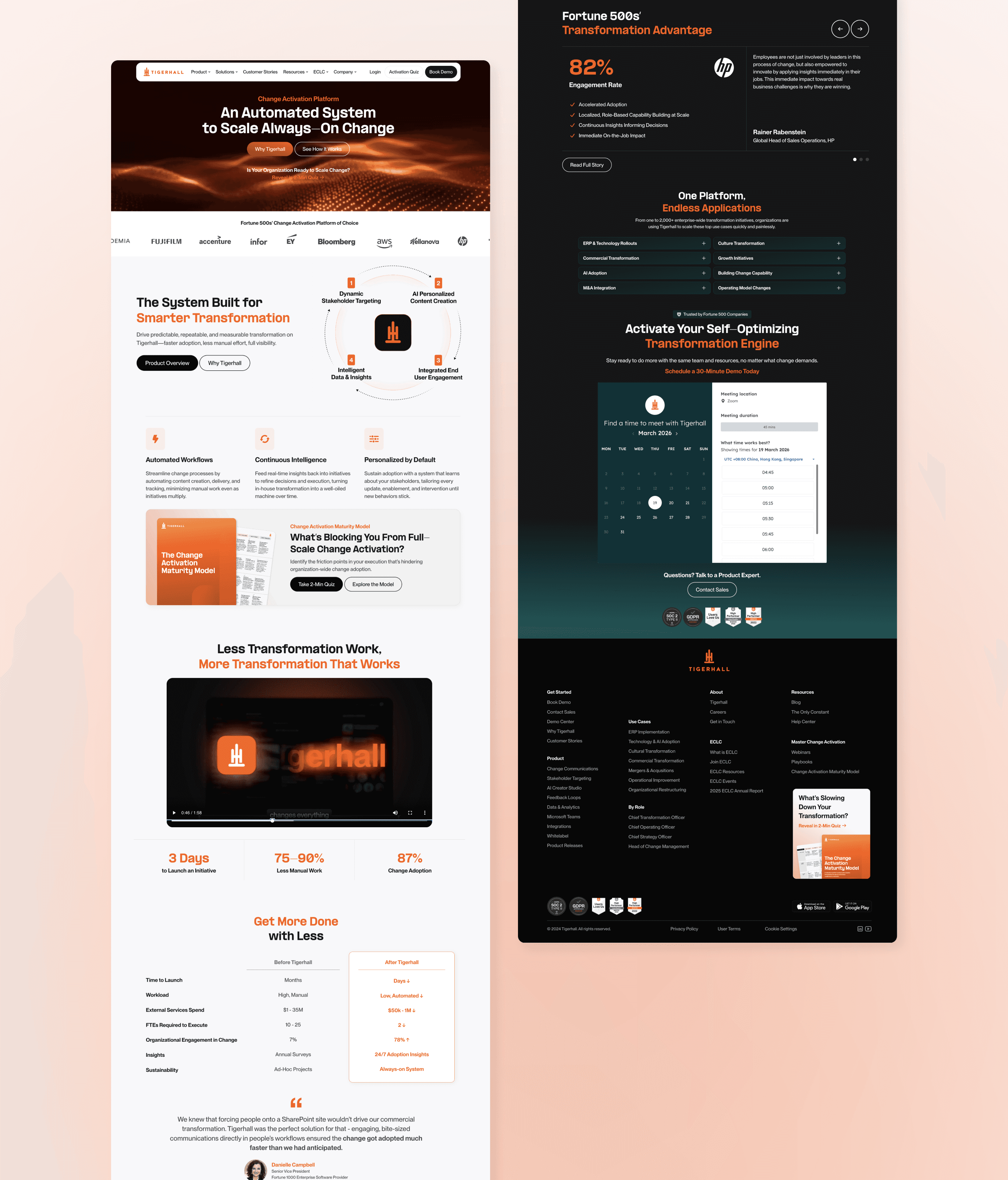
Moving from traditional web builds to a system we could actually move with.
We initially relied on a dev team for website builds, but the backlog of requests kept growing. Changes took time, and the site couldn’t keep up with how quickly the business was evolving. We needed a faster, more flexible way to work.
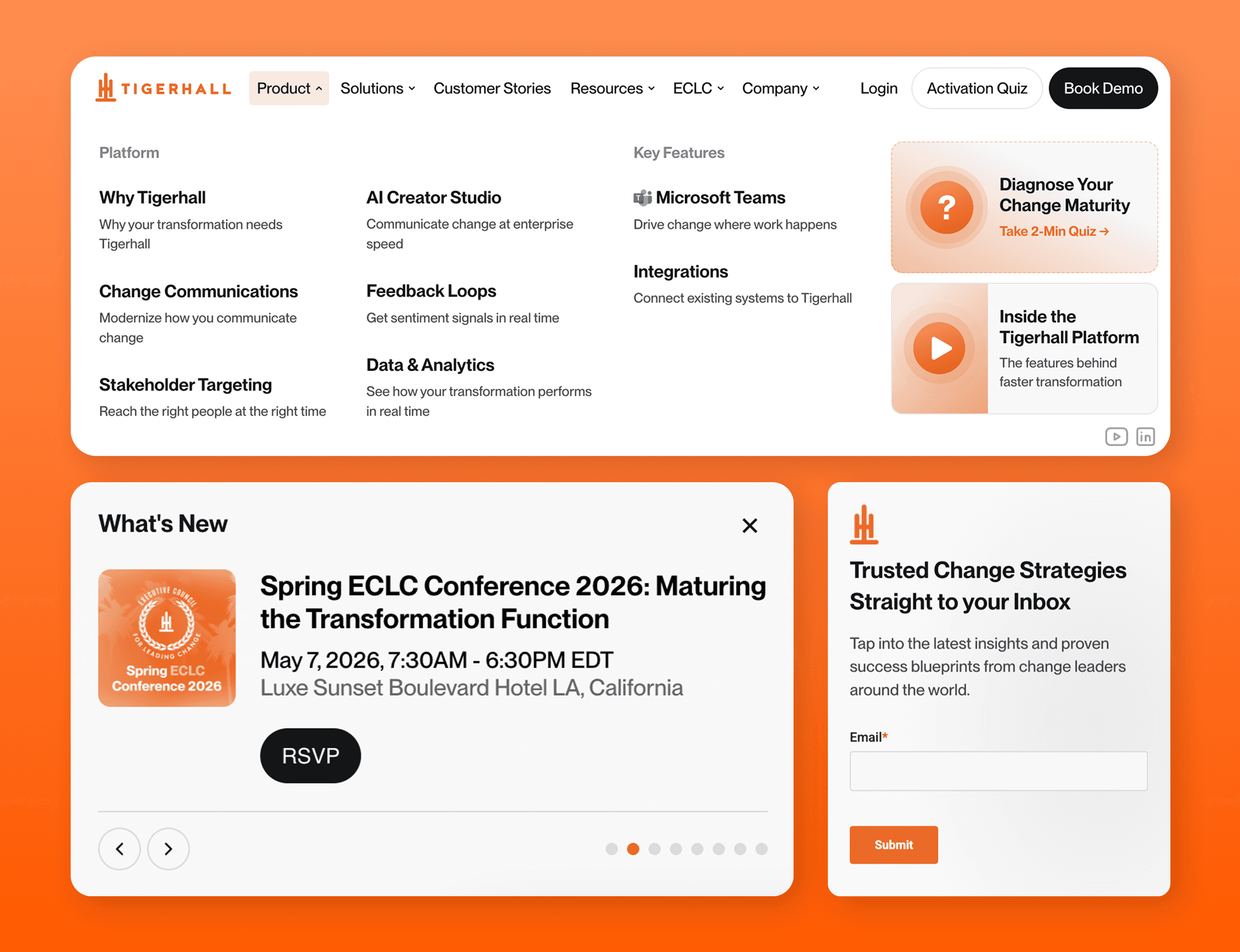
So in 2025, we rebuilt and launched the entire website on Framer, giving the marketing team full control to update, test, and iterate without waiting on development cycles.
This fundamentally changed how we operated.
At the same time, it freed up the dev team to focus on the product itself. Both sides moved faster, more efficiently, and with clearer ownership that directly supports growth and revenue.

%
Increase in inbound leads
From organic website
traffic post-launch
%
Increase in conversion rate
From improved clarity and
reduced user friction
hrs
Per Month of Dev Time Saved
Allowing resources to be redistributed to other revenue generating teams
.
We saw a clear shift in performance once the site could move at the same speed as the business. With faster iteration, clearer positioning, and more relevant messaging, the website became a much stronger growth channel, not just a static touchpoint.
Being able to update in real-time meant we could respond to campaigns, refine how we told the story, and continuously improve how the product was presented. That momentum translated directly into stronger visibility, better engagement, and more qualified leads coming through organically.
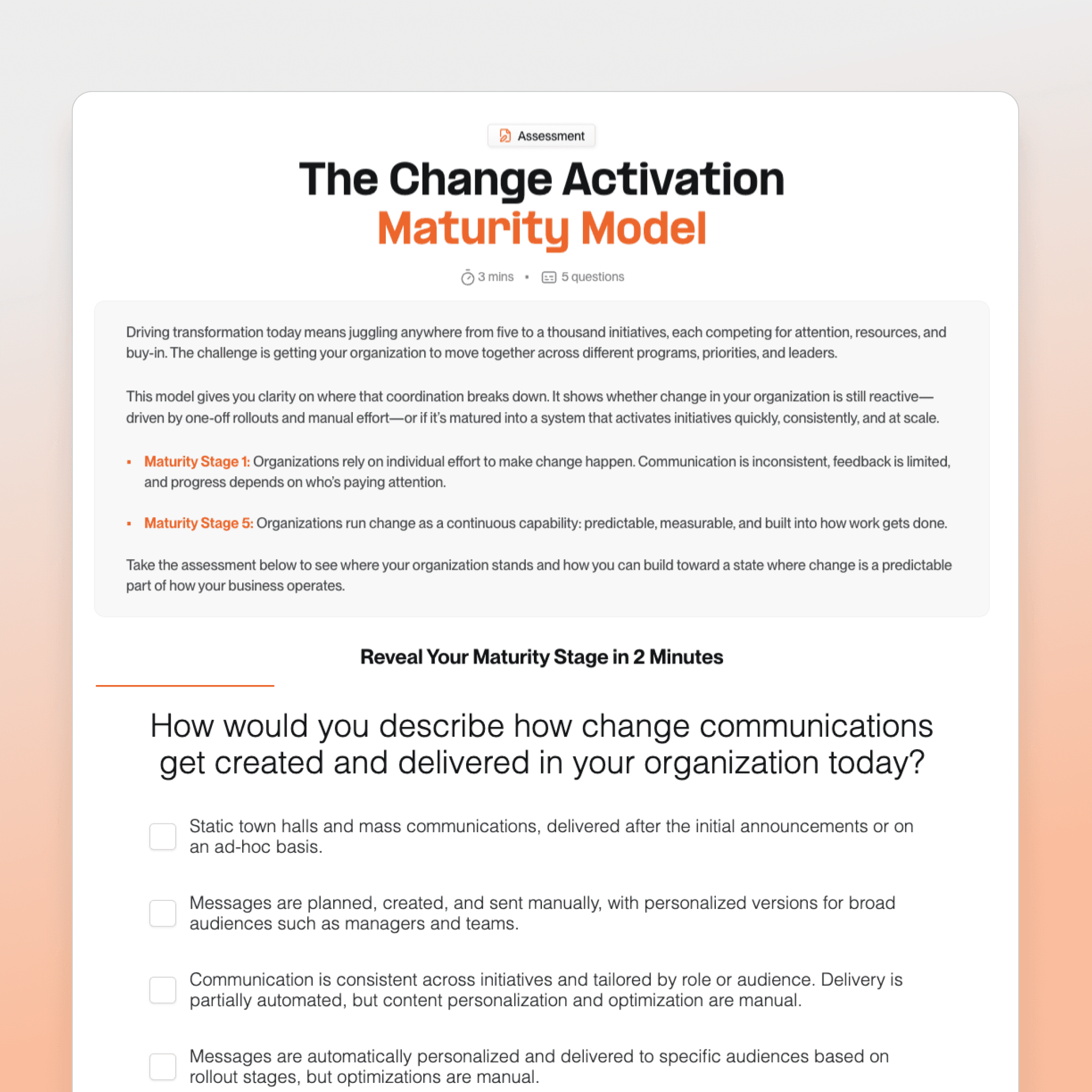
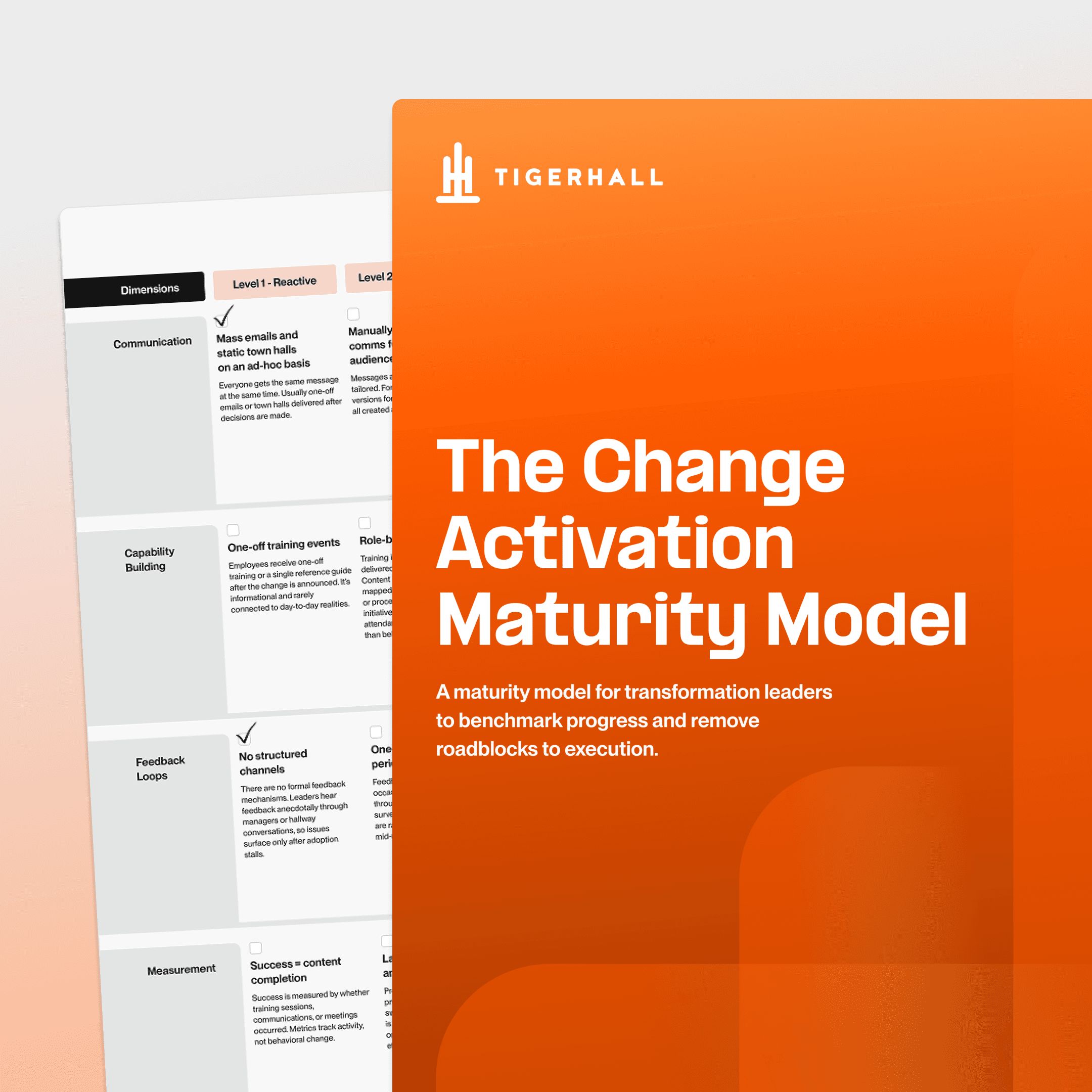
Building diagnostic tool that became a high-intent lead generation engine.
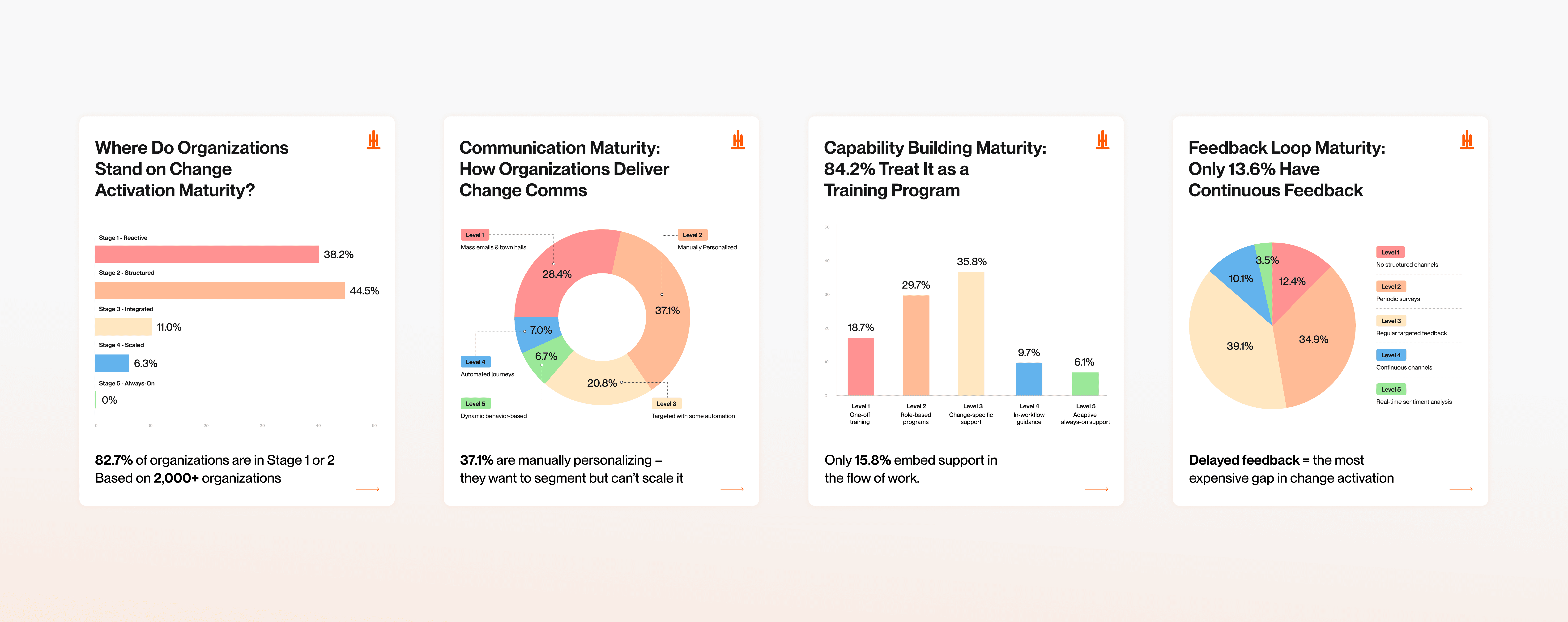
CAMM (Change Activation Maturity Model) was developed as a diagnostic tool to help organisations understand where they stood in their change journey.
Instead of leading with the product, it started with the customer’s reality - giving teams a structured way to assess their current state, identify gaps, and see what good looks like. This made the conversation immediately relevant and grounded in their context.
As a marketing tool, CAMM became a strong lead generator. It created a natural entry point into the Tigerhall ecosystem, attracting high-intent prospects and opening up more meaningful conversations that could directly translate into opportunities.
%
Completion rate
from visitors to full
CAMM assessment
+
Conversion to qualified leads
from people that completed
the assessment
%
Of total pipeline influenced
by CAMM-driven
conversations




Nurturing our community into a direct growth and revenue channel.
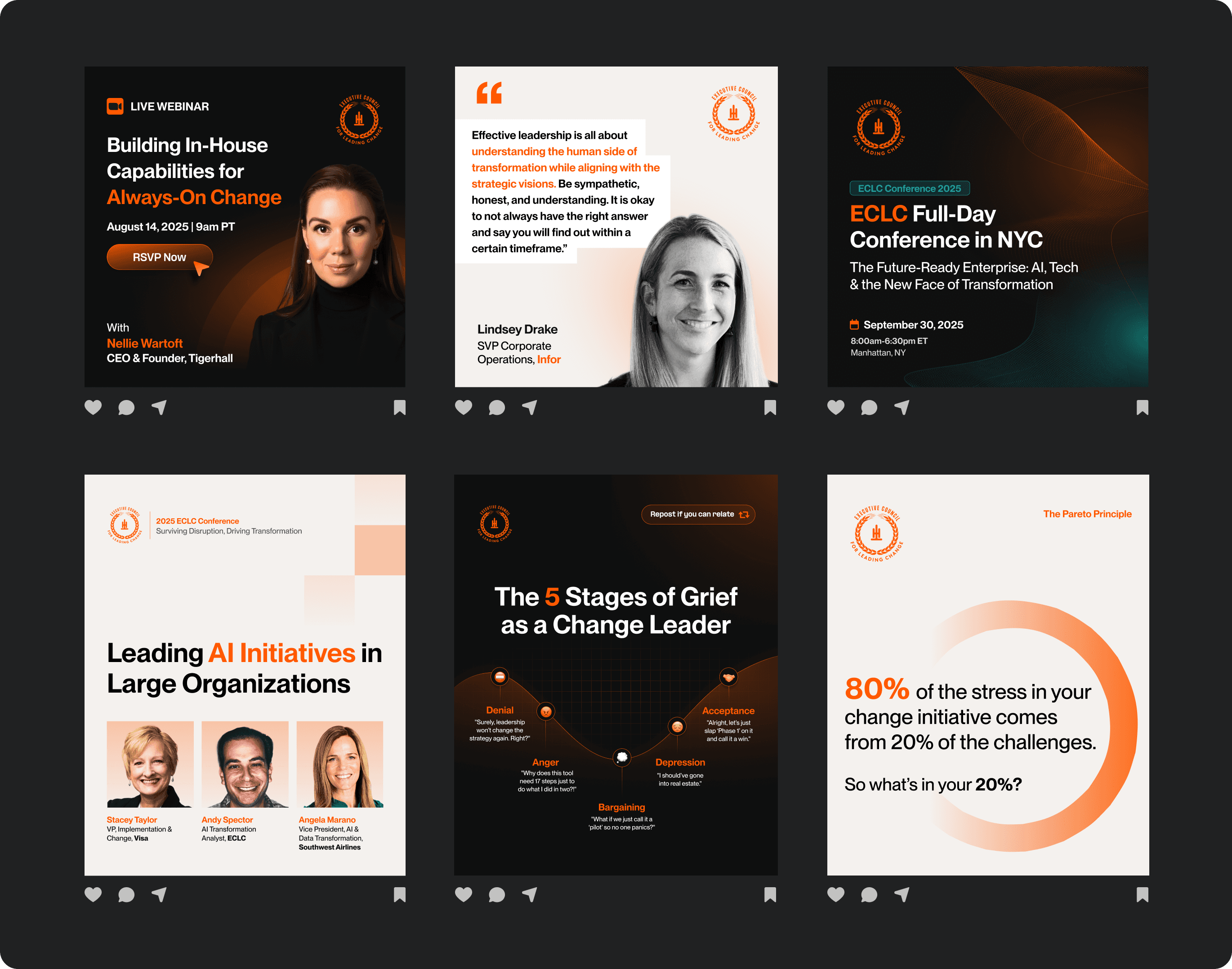
We also invested heavily in building our community, ECLC, as a key marketing channel.
It brought together change and transformation leaders (the same audience we were selling to) and gave them a space to engage in meaningful conversations. Instead of pushing the product, we focused on creating value first. That made it a powerful growth lever.
The community built credibility, nurtured relationships,
and directly contributed to pipeline and revenue.
.
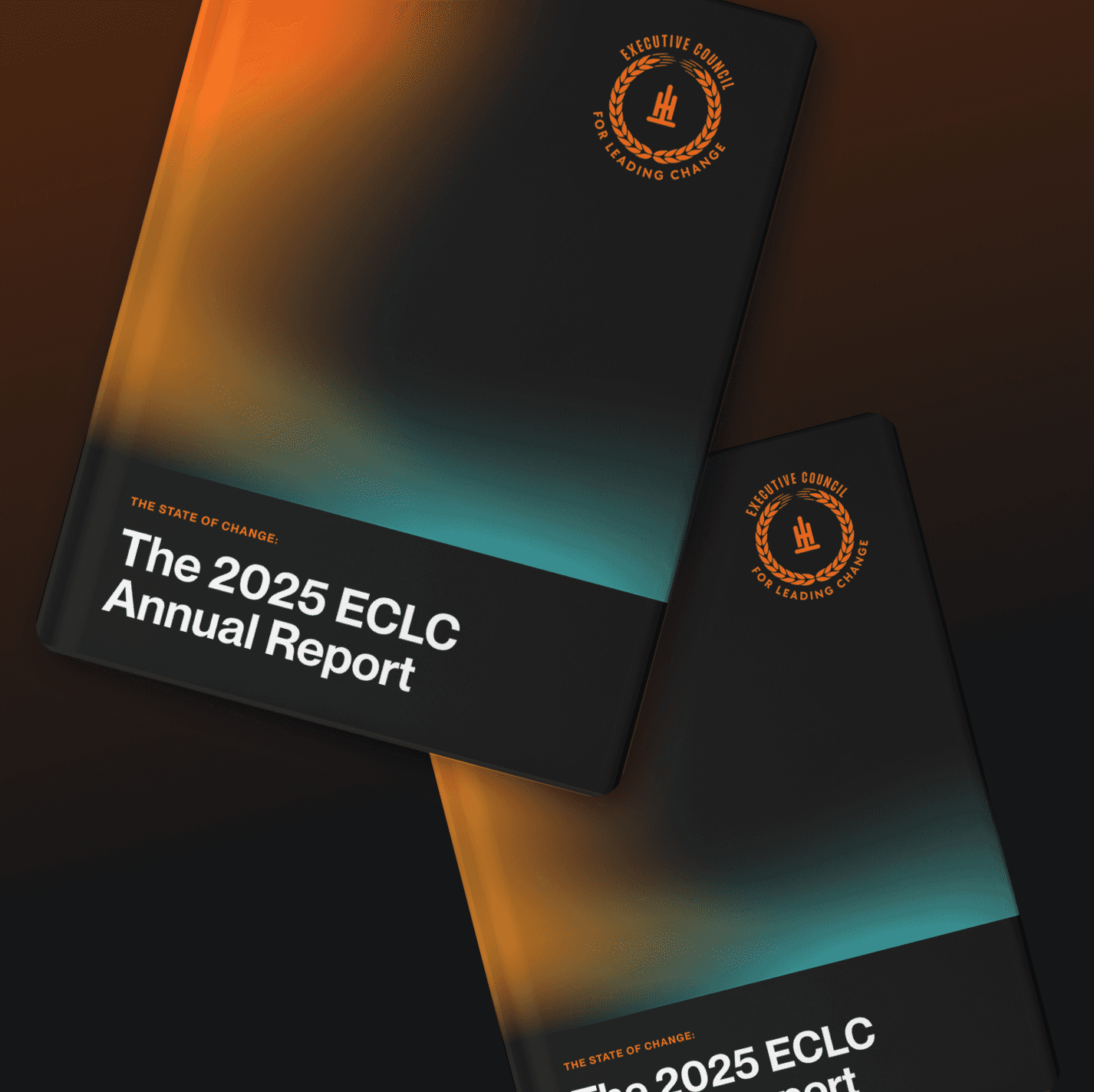
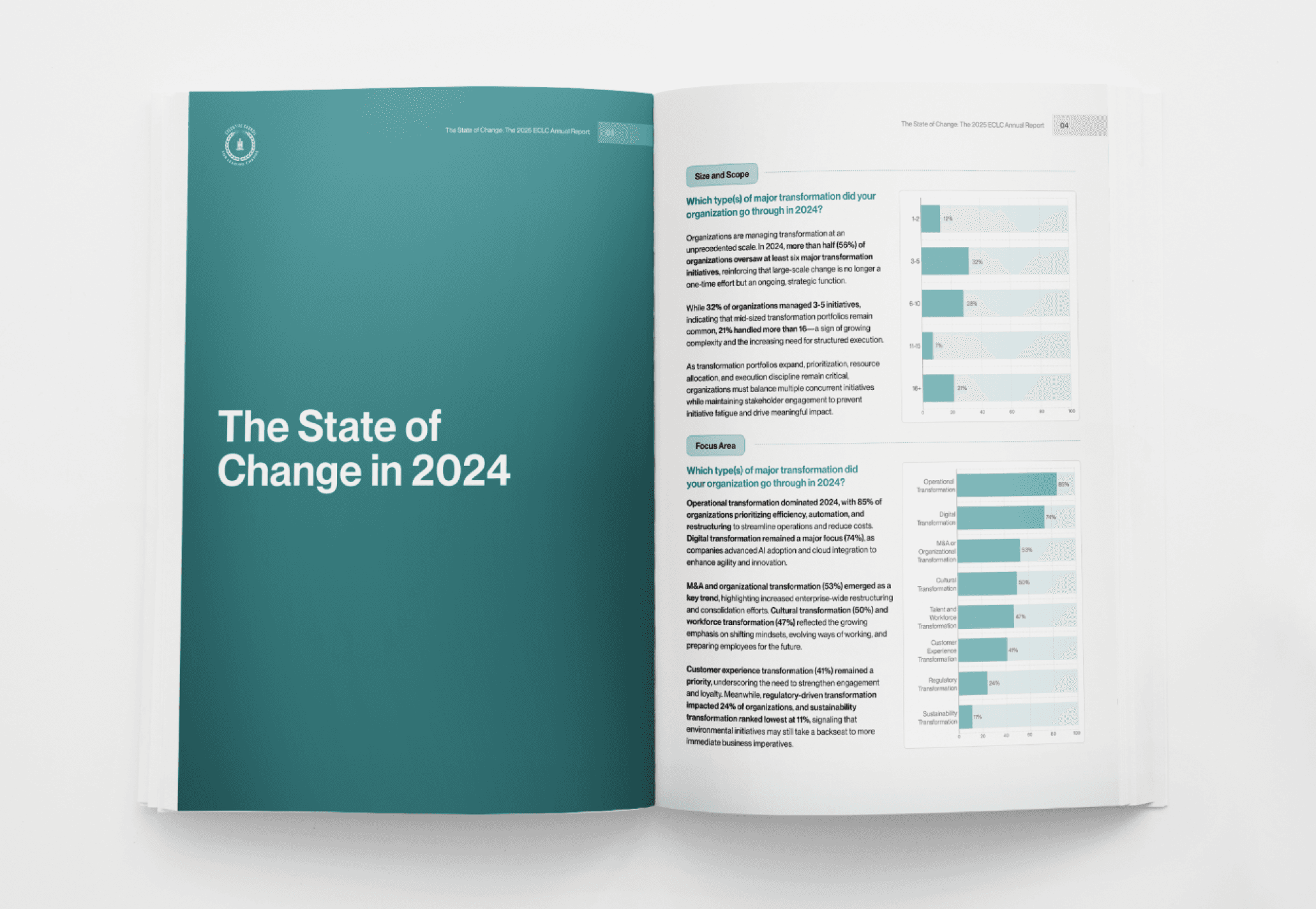
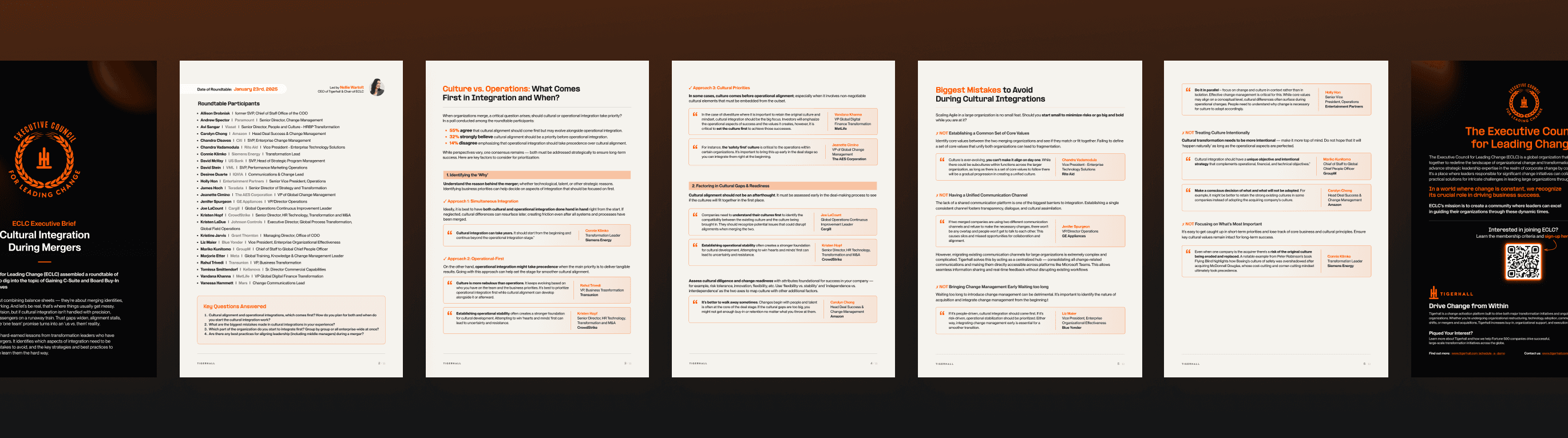
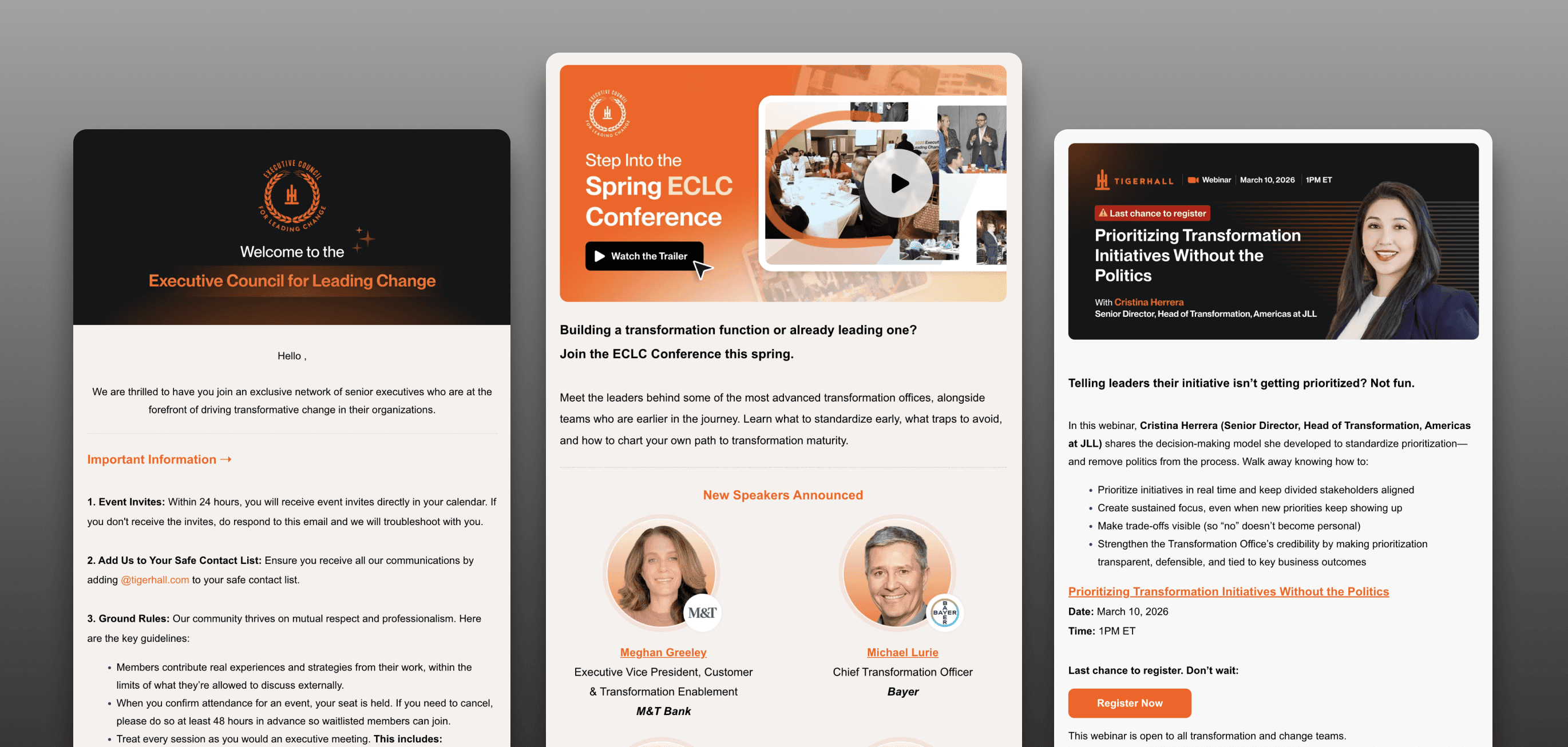
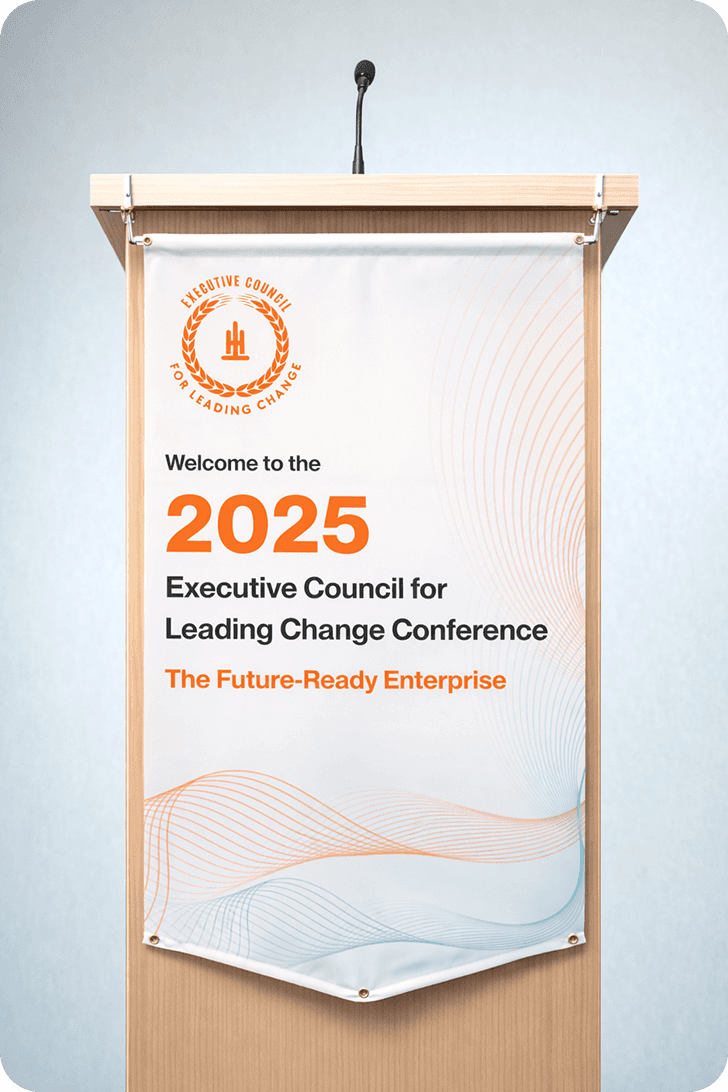
We solidified ECLC as a credible community for senior leaders in the change and transformation space, not just a network, but one that felt curated, considered, and worth their time.
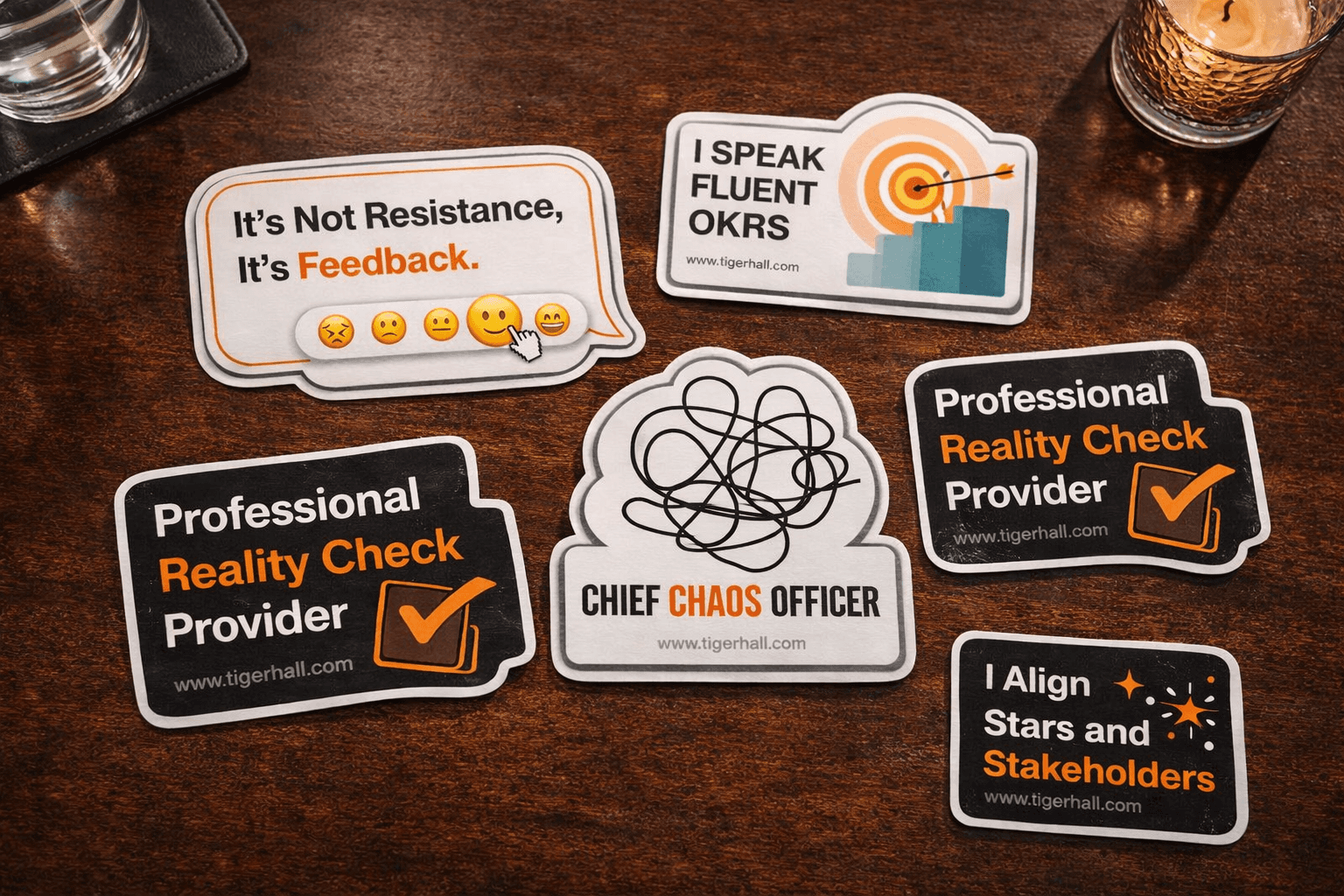
Everything about how it showed up had to feel premium. From the way content was designed, to the tone of communication, to the overall experience. It all needed to reflect the level of the audience we were speaking to.
This wasn’t mass engagement. It was about building something that felt intentional, high-quality, and relevant to executives.
Turning events into a key driver
of trust, visibility, and pipeline for Tigerhall.
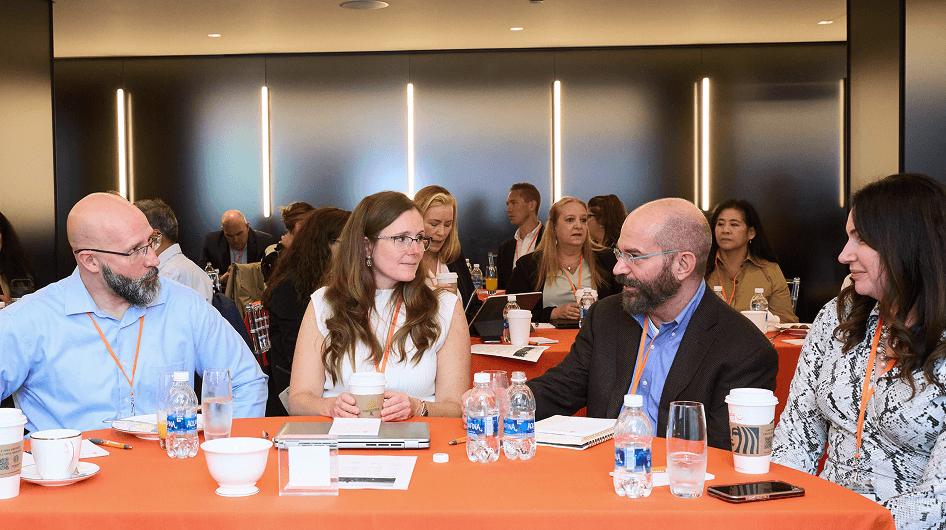
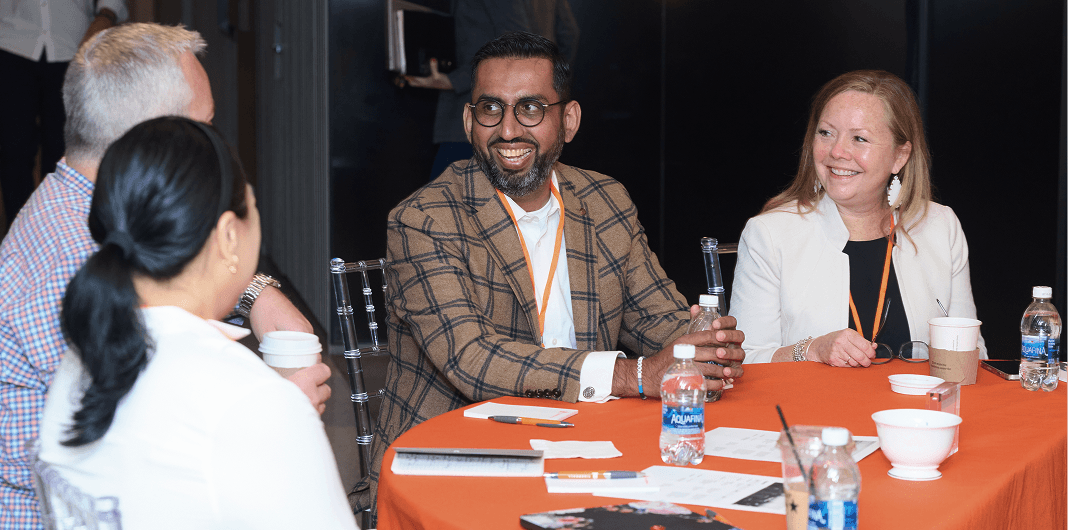
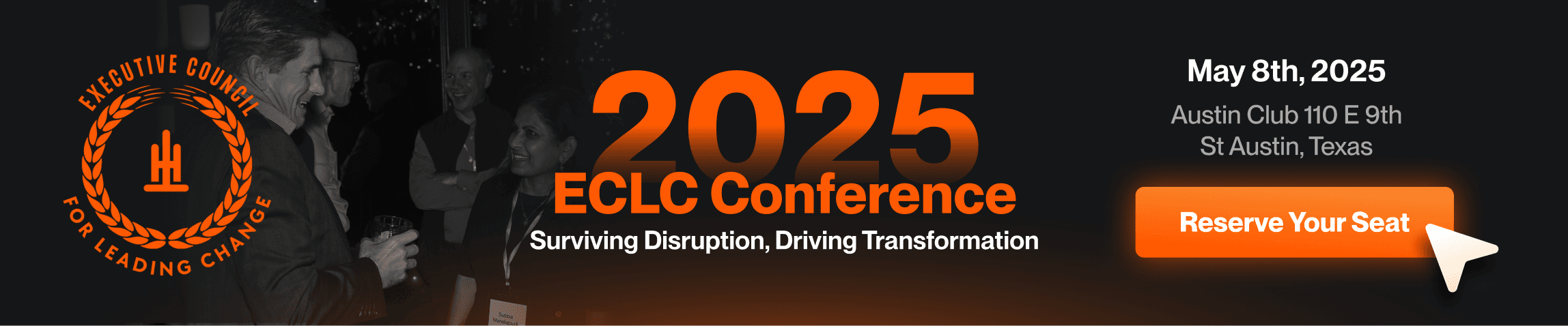
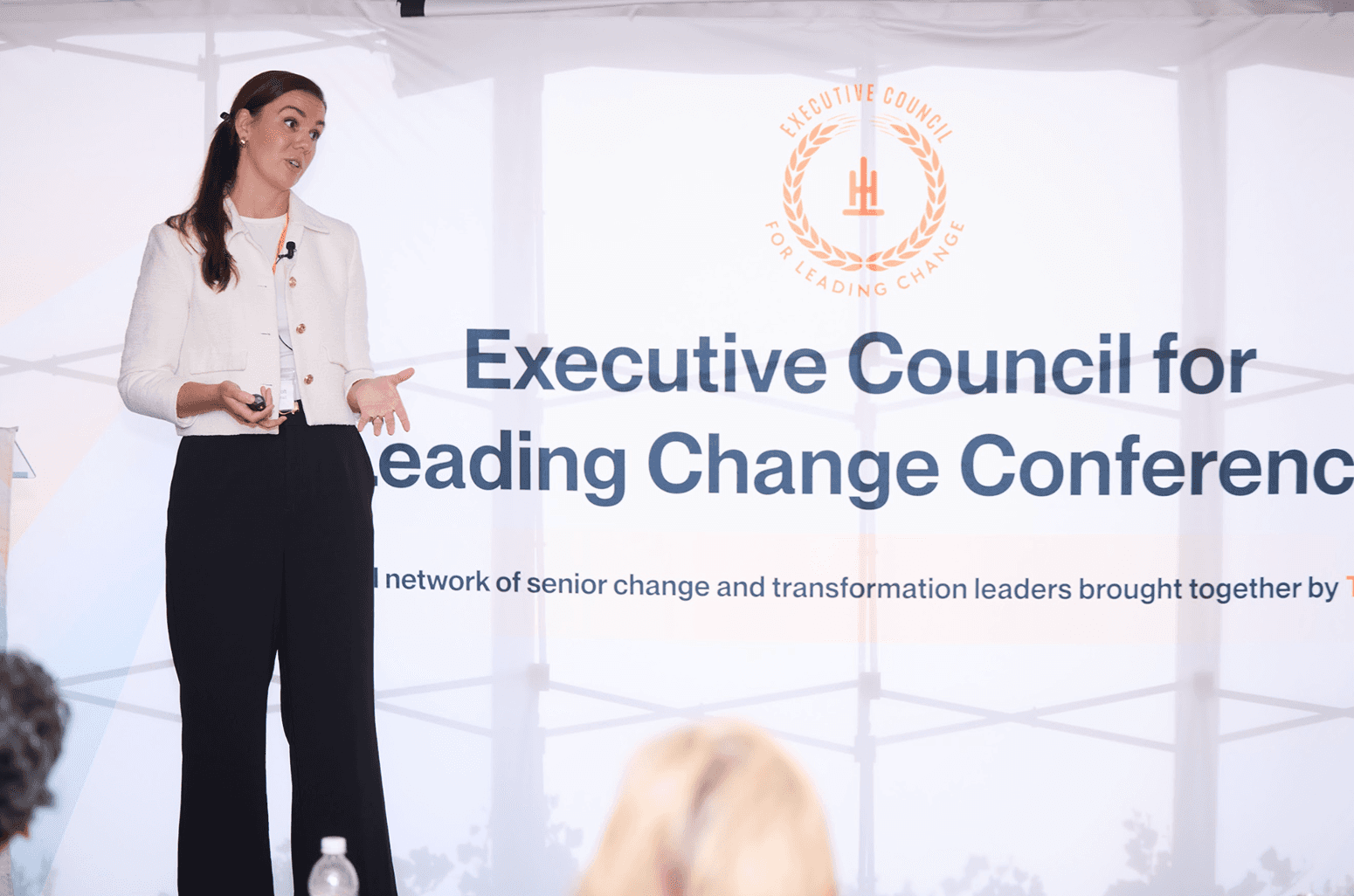
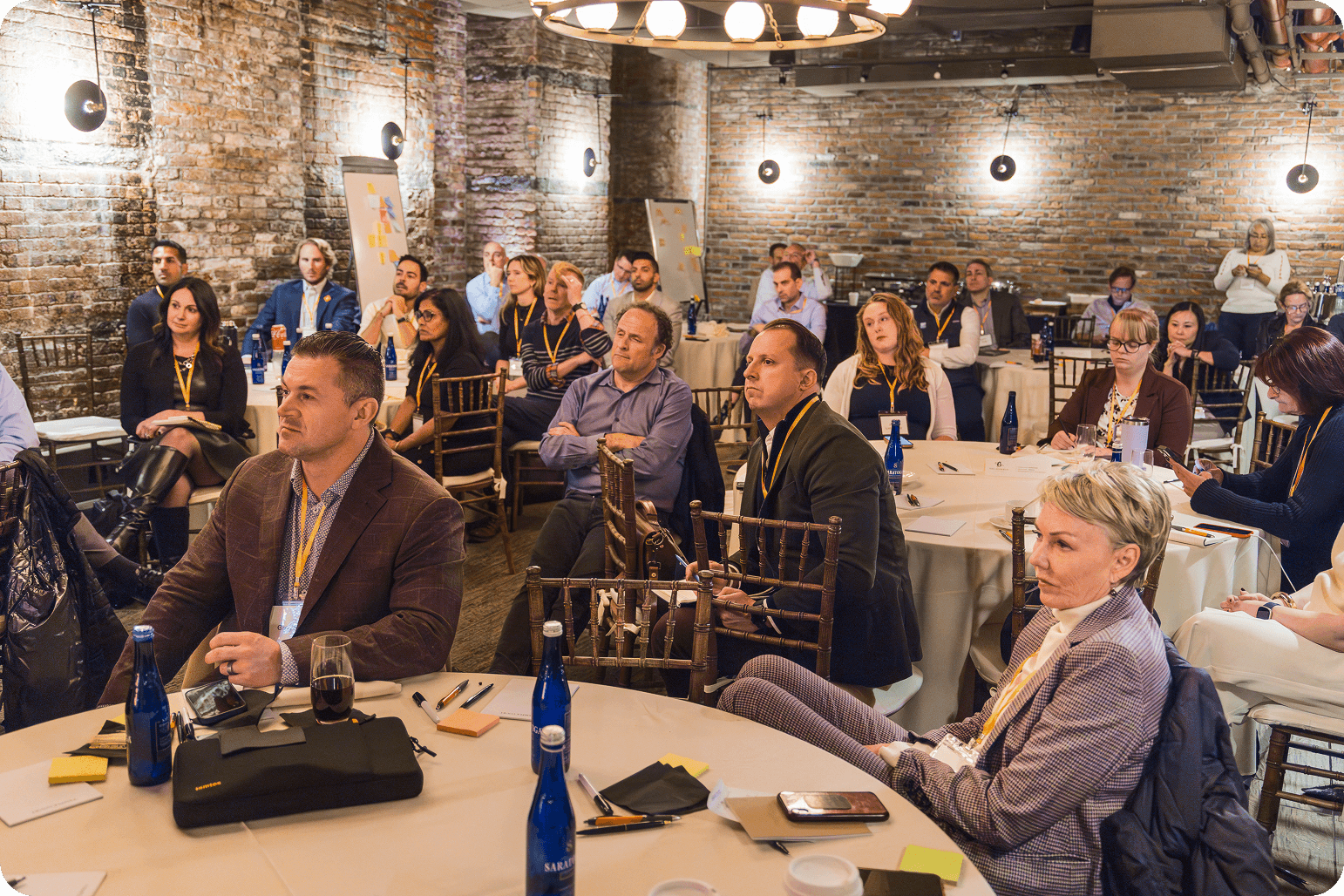
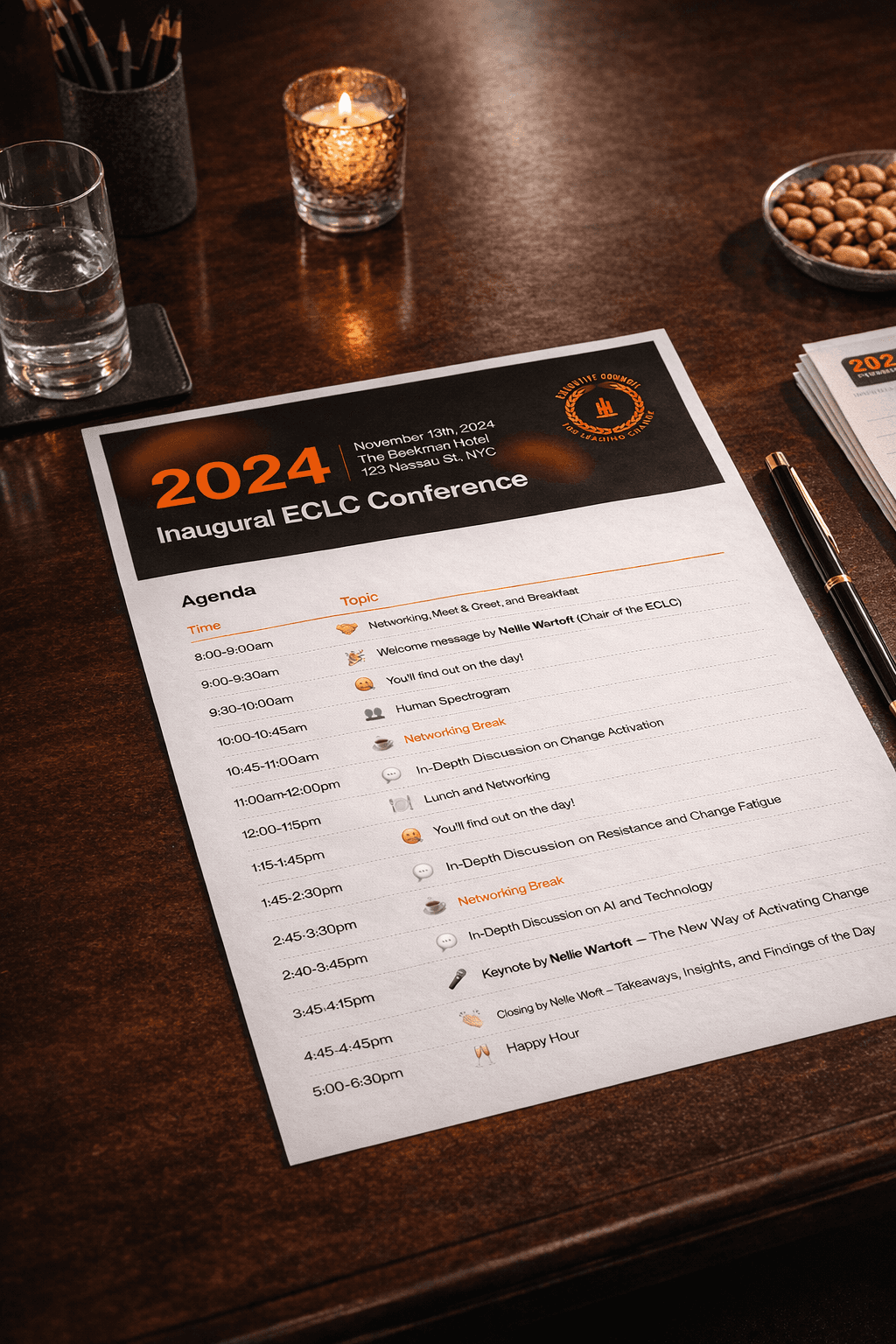
ECLC events and conferences became a critical part of how this community showed up in the market. They were designed experiences that brought together senior leaders in change and transformation, creating space for real conversations at the right level.
These events played a key role in building credibility and visibility. They allowed us to engage our audience in a more meaningful way, strengthen relationships, and position Tigerhall at the centre of these discussions. More importantly, they directly fed into our marketing and sales efforts, generating high-quality leads, accelerating trust, and contributing to pipeline.

%
Increase in qualified leads
that directly contributed
to pipeline
%
Shorter sales cycle
From event-generated
opportunities
x
Higher conversion rate
From event leads vs
other channels
.
ECLC events quickly became one of the most effective drivers of both engagement and revenue. By bringing the right audience into curated, high-quality experiences, we were able to build trust faster and create more meaningful conversations.
Unlike traditional channels, these interactions were high-intent from the start, leading to stronger leads, shorter sales cycles, and a more direct impact on pipeline.