2025
Founded a startup that helped independent creators make a living by selling their art.
Creative Direction
Marketing
Branding
The Starting point
At the start of summer, to understand with the executive team on how we could prepare for virtual recruitment, I wanted to see what was lacking about our club. Thus, from informally researching and talking with members, alumni and general students, we found that:
The Problem
At the start of summer, to understand with the executive team on how we could prepare for virtual recruitment, I wanted to see what was lacking about our club. Thus, from informally researching and talking with members, alumni and general students, we found that:
Objectives & Constraints
At the start of summer, to understand with the executive team on how we could prepare for virtual recruitment, I wanted to see what was lacking about our club. Thus, from informally researching and talking with members, alumni and general students, we found that:
Business Model
Given the lack of brand presence, there was an opportunity for a repositioning of our club branding.





Tigerhall’s initial positioning focused on social learning, targeting organizations looking to modernize their L&D approach. We partnered with industry leaders to build a rich library of skill-building content that employees wouldn’t normally have access to. The platform also allowed organizations to create and share their own content, adding a collaborative communication layer. The brand was positioned as vibrant, modern, and engaging, offering a fun and dynamic learning experience for teams.
Repositioning Tigerhall from L&D to Enterprise Change
Tigerhall was struggling with customer churn and limited growth. The original focus on L&D and social learning, while popular with individuals, wasn’t a sustainable enterprise model—organizations didn’t fully engage with the platform long-term, and adoption often dropped after initial trials. The business needed a clear value proposition for enterprises and a stronger brand presence to make B2B growth viable. Tigerhall was at a critical stage of transformation, shifting from a social learning platform for individuals to a B2B enterprise focus in change and transformation. Branding was minimal, visual identity was inconsistent, and marketing infrastructure was incomplete.
Key Challenges:
Lack of coherent branding
Business model pivot
Industry challenges
Internal capability gap
Complex target audience
Understanding the Industry, new ICP and what's at sake
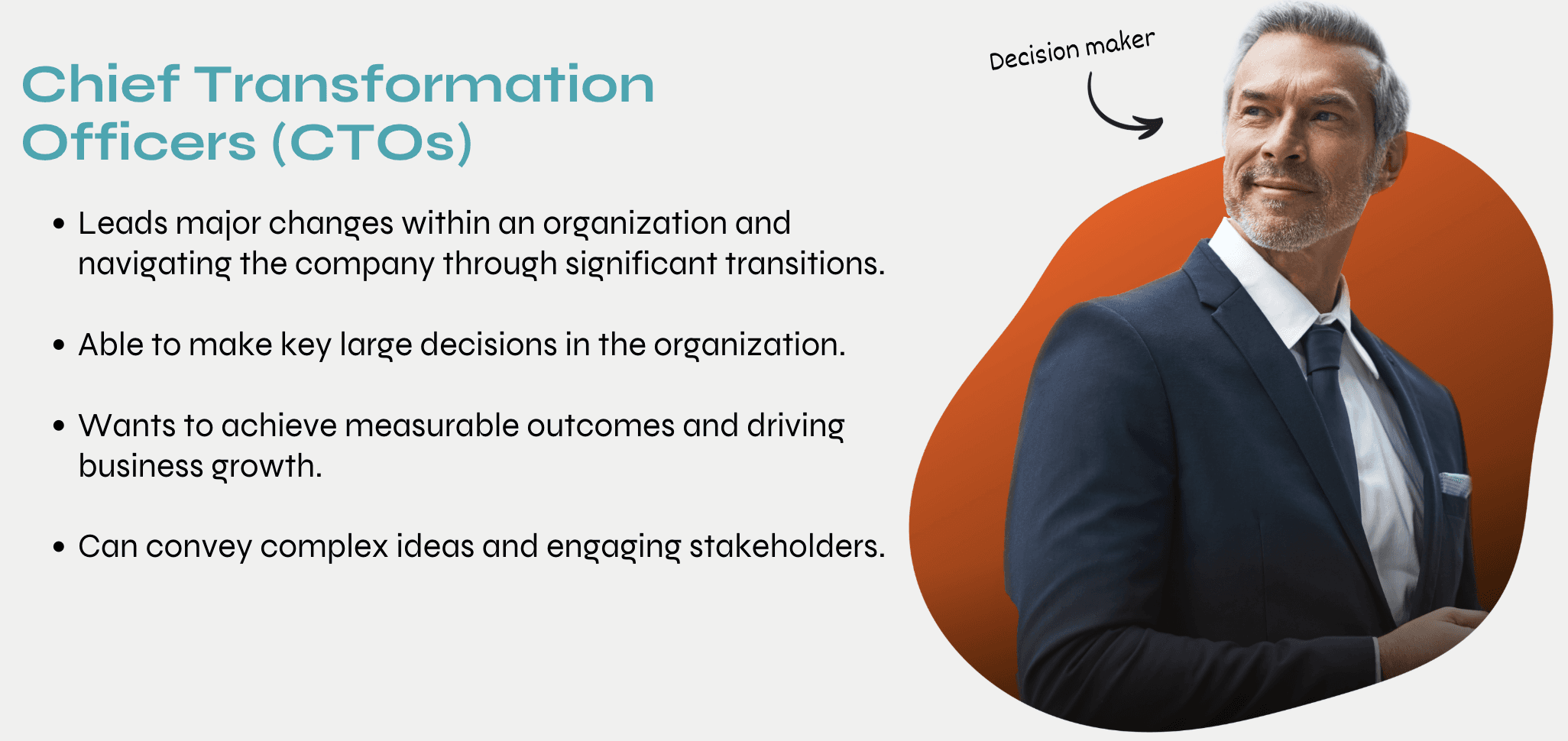
Before any creative or positioning work could happen, we needed to deeply understand who we were talking to, what the market looked like, and where Tigerhall fit. The B2B shift meant our previous assumptions about users and value didn’t apply anymore, so this phase was critical to set the foundation. Our first step was identifying the new enterprise audience. Unlike the previous social learning model targeting individuals, the B2B space meant we were speaking to senior leaders responsible for organizational change and transformation. We mapped their key characteristics:
Tone of Voice & Copy Direction
Tone became a critical lever in repositioning the brand. We were now speaking to senior leaders managing complex change, often under pressure and skepticism.
We defined a tone that was:
Clear and grounded — no jargon or exaggerated claims
Human and empathetic — acknowledging how hard change actually is
Confident but not sales-driven — focused on solving real problems
This shift was reflected across:
Website headlines and page structures
Sales decks and demo narratives
Campaign messaging, emails, and thought leadership content
The goal was to make Tigerhall sound like a trusted partner in change, not another L&D platform.